AI in Therapy 2026: What Every Trauma Therapist Needs to Know
AI isn’t coming for therapy, it’s already here. It’s writing our notes, analyzing assessments, and showing up in wellness apps that sound more human every day.
For trauma therapists, this shift isn’t hypothetical anymore. It’s happening in real time, and it’s changing how clients, insurers, and systems view mental health care.
Full disclosure: I use AI and I love it. It helps me brainstorm, organize, and streamline my admin work. But I’m also deeply aware of how it’s reshaping our field — clinically, professionally, and ethically.
And this blog post isn’t about fear. It’s about understanding what’s actually happening so we can stay human while the systems around us evolve.
The APA Has Made It Official: AI Is Part of Our Field

In November 2025, the American Psychological Association released its Health Advisory on Generative AI Chatbots and Wellness Apps. The message was clear: AI has arrived in psychology, and we need to approach it with both caution and competence.
The advisory warned about several issues, from data privacy and transparency to informed consent and the growing risk that clients may mistake AI chatbots for actual therapy. For those of us working with trauma, where safety and relational integrity are everything, that distinction matters.
This is no longer about predicting the future. The APA’s involvement means AI is now a professional reality, and therapists need to make informed, ethical decisions about how we use it.
Prediction #1: Data Ethics Will Dominate the Conversation
AI note-writers are, frankly, a gift for busy therapists. They reduce documentation time and help us get back to the human side of our work. But they also raise big questions about who owns the data, where it goes, and how it’s used.

State agencies like the Utah Department of Health and Human Services have already issued best practices warning that session data used to train large language models could be repurposed or leaked. The APA’s Health Advisory echoed that concern, noting that few AI platforms clearly disclose if — or how — your notes are used to train their models.
So, if you’re using AI to help with documentation, this is the year to start asking harder questions:
Is my data being used to train your model?
How long is it stored?
Can I delete it?
If I delete it, has it already been used for training?
Again, I don’t share this to make anyone feel afraid of these tools. Rather, I want to support your informed consent and data ownership for both you and your clients.
Prediction #2: AI Will Take Over the Structured Parts of Therapy
Research already shows that AI can effectively handle structured, skills-based interventions. A 2025 review by Cruz-Gonzalez et al. found that AI tools are being applied across diagnosis, monitoring, and intervention, with chatbots among the most common intervention types.
Another review by Casu et al. (2024) confirmed that AI-guided CBT and DBT interventions have been shown to reduce symptoms in the short term.
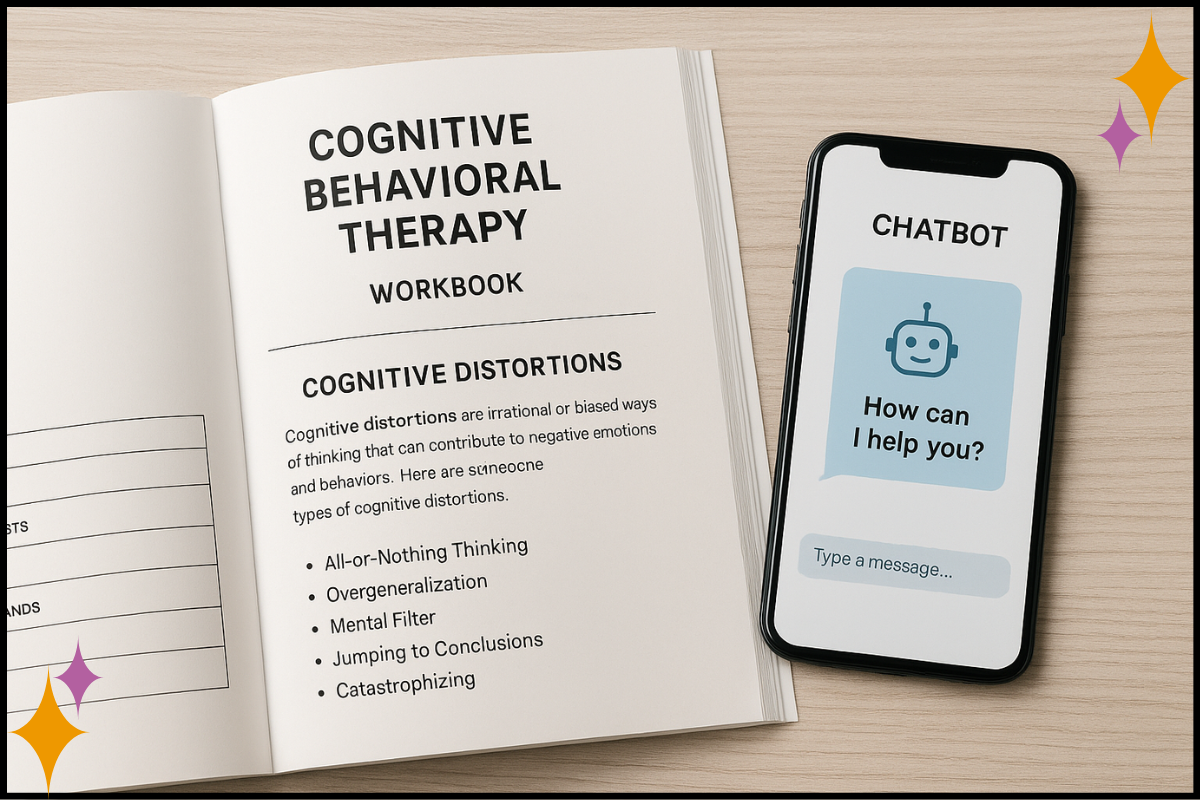
Honestly, this makes sense: CBT is structured, replicable, and measurable. It’s built for automation, which means that in 2026, we’ll likely see AI take on more of the manualized, skills-based parts of therapy. You know, the worksheets, cognitive restructuring, behavioral activation, and psychoeducation.
But that’s only part of the story.
AI can deliver information. It can’t deliver attunement.
It can’t notice the subtle shift in a client’s breathing (yet). It can’t hold the pause after a disclosure. It can’t regulate a nervous system through presence.
That’s the difference and it’s where trauma therapy still lives.
Prediction #3: Insurance Will Use AI as First-Line Care
This is where things start to get systemic. The Milbank Memorial Fund recently suggested that AI chatbots could serve as first-line mental health support. Meanwhile, APA Services has been tracking new Medicare reimbursement pathways for digital therapeutics — the first step toward insurance coverage for AI-based interventions.
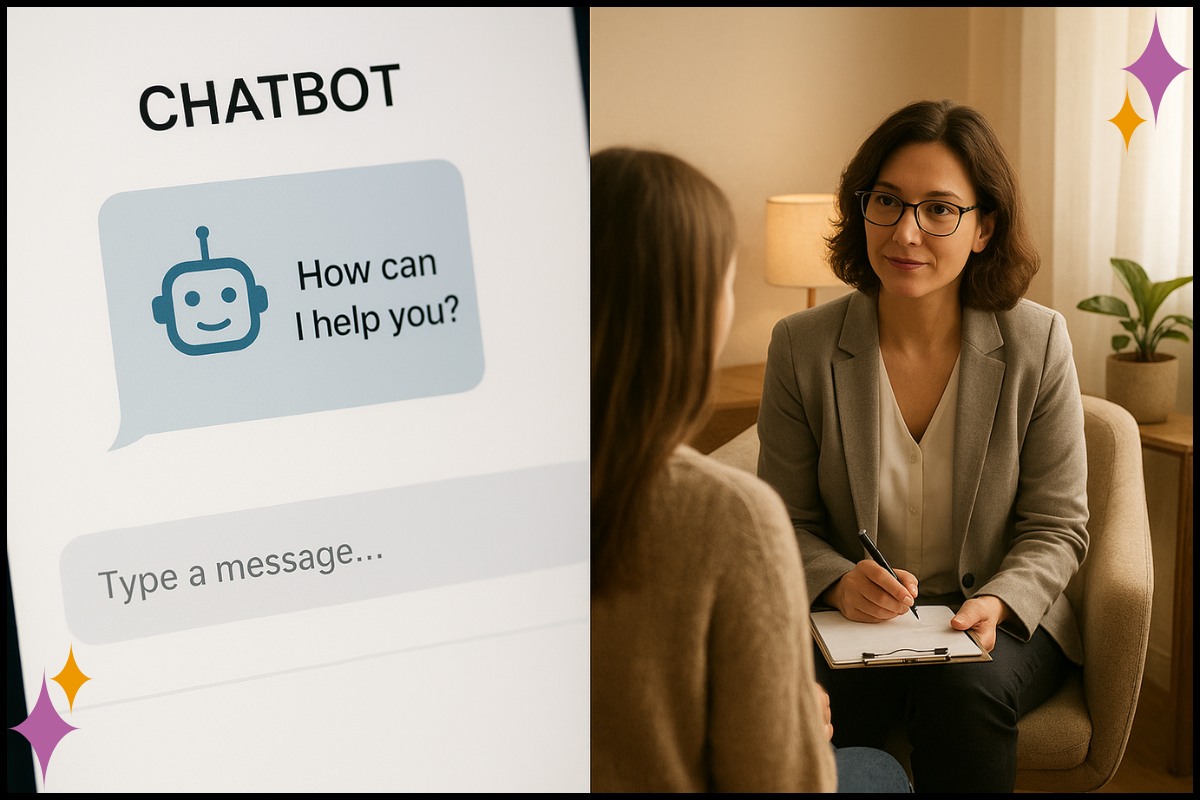
Pair that with research showing AI is already being used for screening, triage, treatment, and post-care monitoring, and you can see where this is going.
By 2026, insurance companies may begin offering AI-driven programs before referring clients to in-person therapy for mild conditions like anxiety or insomnia. On the one hand, this could expand access and reduce waitlists. On the other, it shifts the client’s first contact from a therapist to a chatbot, reshaping how the public perceives what “therapy” even is.
Prediction #4: Regulation Will Legitimize (and Limit) AI in Mental Health
Policy is catching up fast. According to the Manatt Health Policy Tracker (2025), multiple states have now passed laws regulating AI chatbots for mental health. This signals legitimacy and that AI is no longer fringe; it’s being written into health infrastructure.
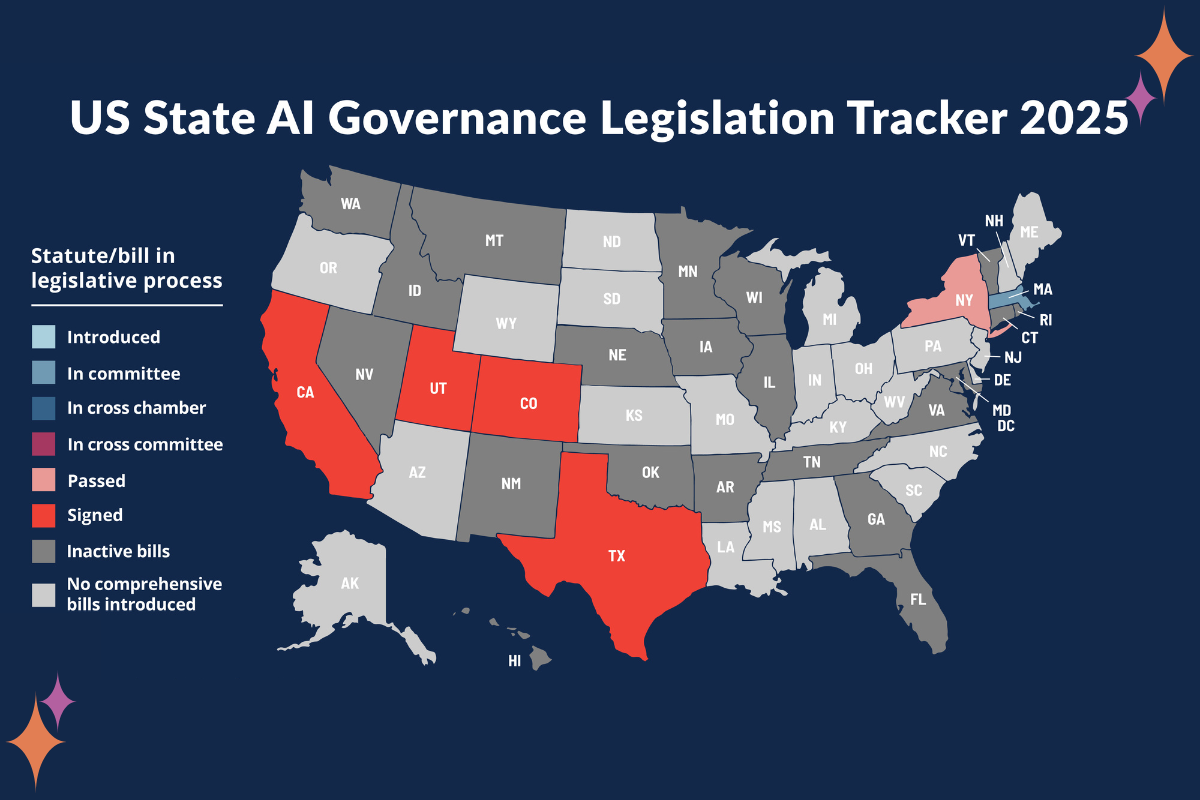
At the same time, states like Illinois and California are drawing clear boundaries. Illinois explicitly prohibits AI chatbots from representing themselves as licensed clinicians, while California has introduced bills requiring transparency and human oversight whenever AI is used in therapeutic contexts.
Regulation on both sides means AI isn’t going anywhere. It’s here to stay and how it’s implemented will depend on where you practice.
Prediction #5: The Human Edge Becomes Non-Negotiable
This is where we, as trauma therapists, hold the line.
AI will continue to get better at structure — it can prompt, summarize, and analyze with precision. But it will never replicate what happens between two human nervous systems in sync.

It can’t mirror a client’s tone to slow a racing system. It can’t offer real-time co-regulation or relational safety. It can’t feel.
Therapists who lead with manualized, top-down work may face more overlap with technology. But those rooted in embodied, relational, bottom-up approaches will only become more valuable.
AI can teach skills. You teach safety.
And that’s the difference that will always matter.
Staying Human While Using AI

I’m not anti-AI. I use it every day, and it makes my work easier. But staying human while using it, that’s the task ahead.
For trauma therapists, this means:
Staying informed about how AI shows up in your tools and systems.
Protecting your and your clients’ data.
Deepening the relational, somatic, and attuned work that no algorithm can replicate.
The future of therapy is coming fast. Let’s meet it with our eyes open and our nervous systems intact.