You Finally Have Space, So Why Don't You Feel Better?
For weeks, you told yourself that once things slowed down, you would feel like yourself again. Then the summer caseload thins out the way it always does. A few families travel, a couple of clients pause until fall, and suddenly there's a Tuesday afternoon with nothing in it.
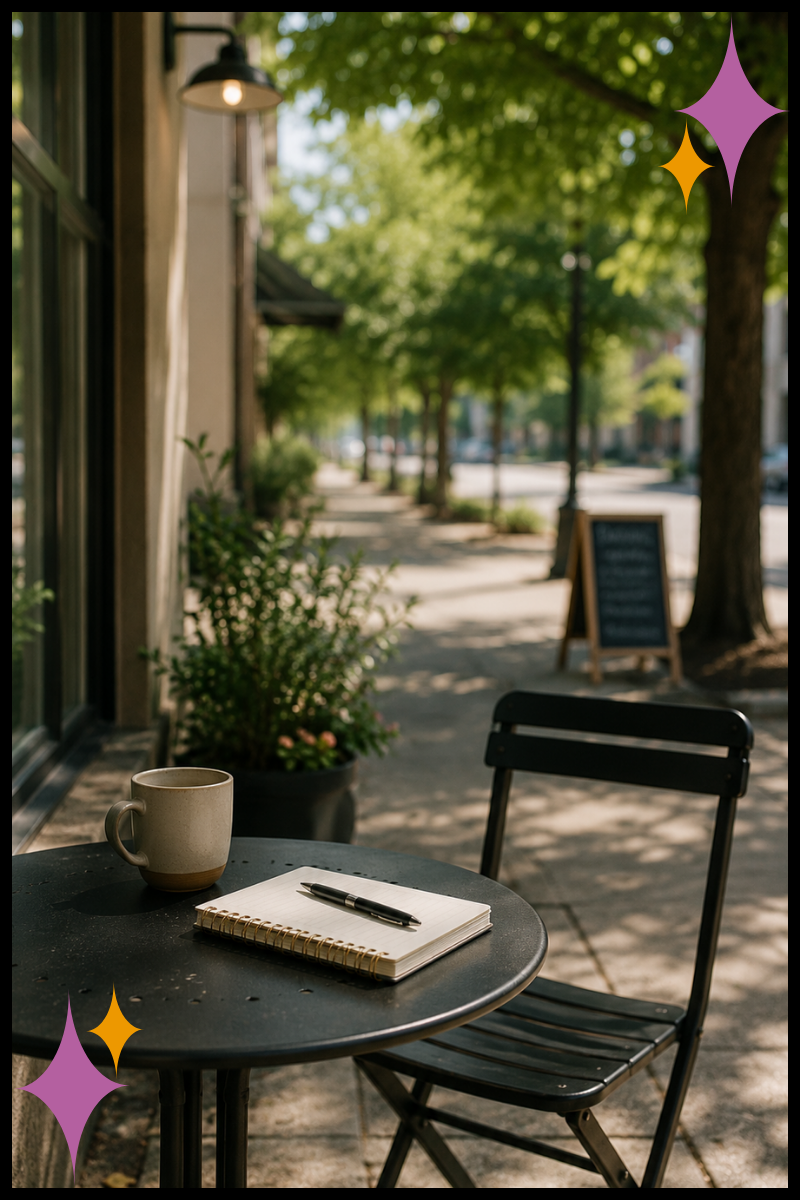
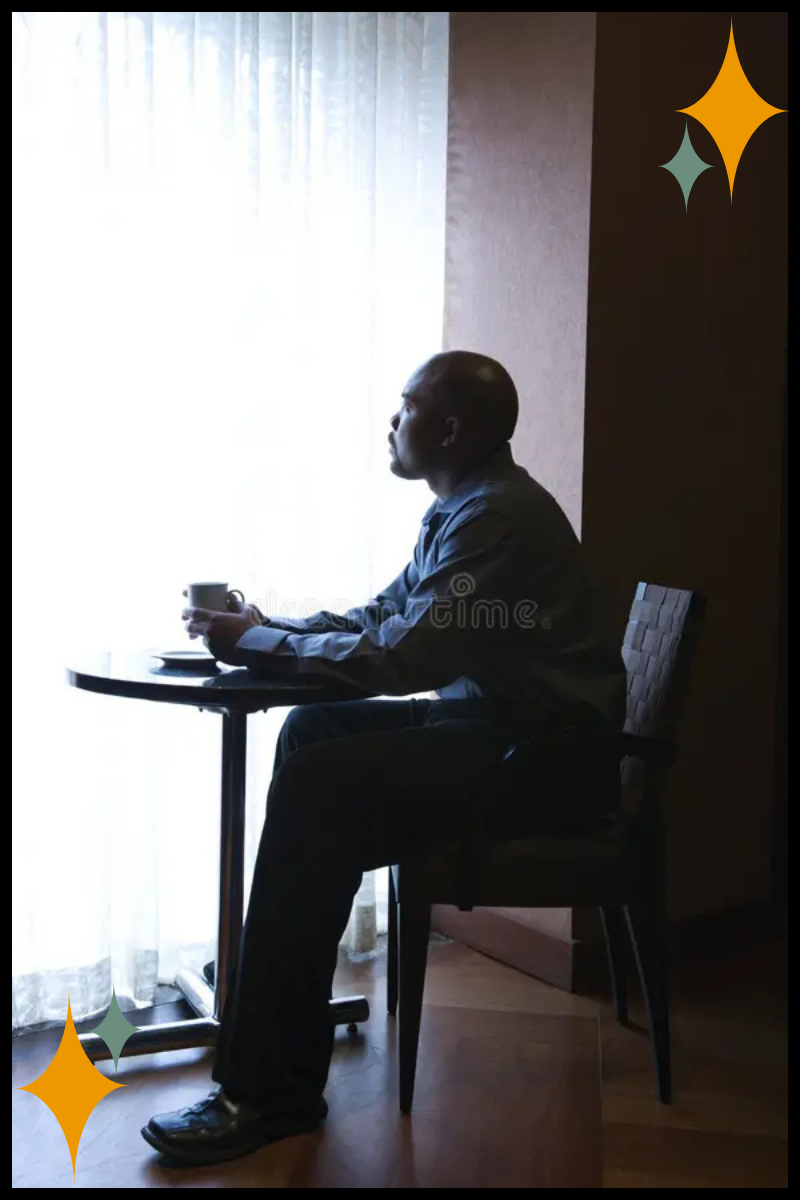
You had been counting on that afternoon, but when it finally arrives, the relief you expected is mixed with a restless discomfort you can't quite name. You sleep in and wake up groggy instead of restored, keep reaching for a schedule that no longer needs checking, and notice the fog hasn't lifted the way you thought it would.
I hear some version of this from therapists every summer, often told with a hint of embarrassment, as though they've failed at rest somehow. They got the slower week, the lighter calendar, the permission to exhale, and instead find themselves irritable, unexpectedly emotional, or simply flat in a way that good sleep doesn't touch.
If that's where you are, I want you to know something before we go any further: you are not doing this wrong.
The Slowdown Doesn’t Feel Like Relief. It Feels Like Exposure.
Here is what I think is actually happening, and it's something I've watched in myself as much as in the therapists I work with.
For months, your pace was doing a quiet job for you. A full calendar is exhausting, but it's also organizing. It tells you where to be, what to feel, and what needs your attention next. It keeps you a half step ahead of everything you don't have room to deal with.
The session that landed harder than you let on. The client whose story stayed with you on the drive home. The week you white-knuckled through while something in your own life was falling apart.
All of it gets set on a shelf because there are three more people waiting and no time to come undone in between them. Setting it down and moving to the next hour is a skill, and you have spent years sharpening it.
So when the calendar loosens, the shelf doesn't stay where you left it.
The vigilance you've been running since January doesn't switch off just because your Tuesday opened up. The feelings you postponed go looking for the space you just made.
That is why the first days of real rest can feel worse instead of better. The quiet you were craving turns out to be the quiet in which everything you outran catches up with you.
It isn't relief, at least not yet. It feels more like exposure. And when that exposure shows up, most of us assume we're resting wrong and try to fix it by resting harder.
Why Rest Doesn’t Reach The Third part
It helps to get specific about what is actually depleted, because we often reach for rest when the thing that feels worn down is something rest was never designed to repair. A day off can stop the input for a while. You're no longer absorbing someone else's worst day, holding your face steady while they describe the unspeakable, or tracking the emotional weight of session after session. That pause matters, and it is worth something.
But the part of you that has been bracing all this time does not necessarily stop just because the input has.
The nervous system that learned to stay alert, scanning, and ready because that readiness helped you stay useful in a room full of pain does not always get the memo that the workday is over.
It keeps running quietly in the background, much like the way you can still feel the residue of a difficult session in your shoulders long after the client has left.
What is often missing is not more time with the input turned off, but the experience of your own body finally coming down and trusting that nothing is required of it for a while. And that kind of settling, the kind that reaches beyond rest and into genuine nervous system recovery, is often much harder to access on your own than we have been led to believe.
You Co-Regulate Everyone But Yourself
This is the piece I most want you to sit with because it reframes the whole problem.
A nervous system doesn't fully calm itself in isolation. It calms in the presence of another one that's already calm.
You know this better than almost anyone because being that steady other is what you do all day.
A client comes in activated and your regulated body becomes the thing theirs borrows from until it finds its footing again.
You are the lender: Hour after hour, person after person. So the question I keep coming back to with therapists is simply this: When is anyone ever that steady presence for you?
For a great many of us, the honest answer is almost never.
You spend your days being the one who holds it together, then go home and try to recover by yourself, which happens to be the one thing a nervous system was never designed to do alone.
That's why solitary rest so often stalls partway.

You're not resting wrong. You're missing an input you can't generate for yourself, the very input you hand everyone else without thinking twice.
Inside BRAVE, this is what we mean when we say you weren't meant to do this work alone.
It isn't a slogan. It's how regulation physically happens, which is why community is part of the mechanism of recovery rather than an addition to it.
What Shifted For One Therapist
A therapist in The BRAVE Trauma Therapist Collective put words to this not long ago.
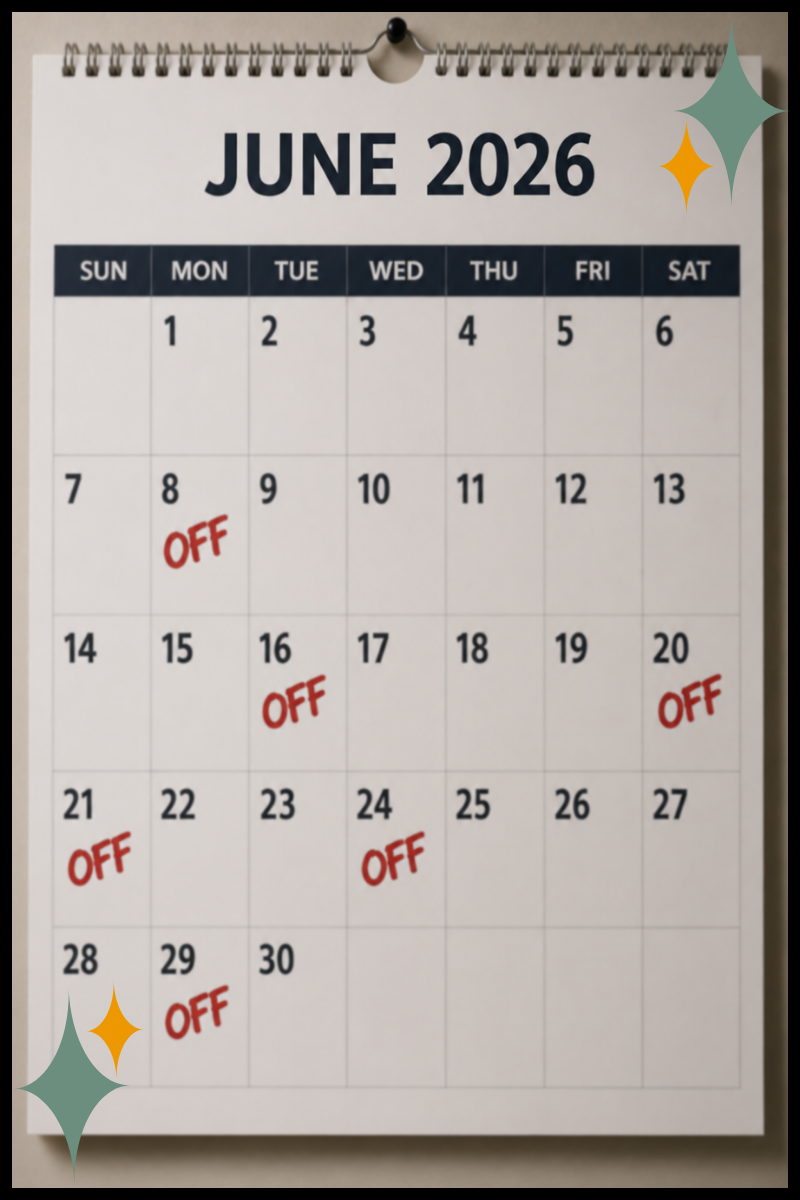
She had taken three days off, avoided work completely, stayed off social media, and resisted the urge to turn the time into another productivity project. On paper, she had done everything we tell exhausted therapists to do. And yet by Monday, she felt worse, not better.
When the relief she expected never arrived, she did what so many of us do and turned the disappointment inward. Instead of questioning whether the solution had been incomplete, she questioned herself. "I felt like I'd wasted the time," she said, as though the problem was that she had rested incorrectly rather than that the exhaustion she was carrying required something more than solitude.
What ultimately shifted things for her was not a better protocol for days off or a more optimized approach to self-care. It was sitting in a room with people who do this same work and hearing, in a hundred different ways, that she was not the only one carrying it.
She did not only need the rest, she needed company. She needed people who understood the weight of the work without requiring an explanation, and the experience of being tired alongside others loosened something that three quiet days alone never could.
Rhythms That Rebuild Capacity
What tends to help next isn't a smarter system. I'd steer you away from anything that smells like optimizing your rest because the problem isn't that you're recovering inefficiently.
Your body has spent a long time being managed rather than inhabited because what it responds to is rhythm. The kind of predictability it can start to trust.
A few practices that have held up for me and for the therapists I work with:
A small ritual that bookends your admin time, like lighting a candle before you start and washing your hands when you finish so your body gets a clear signal the task is over.
Planning around your energy rather than your clock, asking when you actually have something to give yourself instead of where a break might be squeezed in.
A real exit from each session so you're not walking straight from someone's trauma into your inbox, whether that's a short walk, a song in the car, or my Soft Transitions practice.
One protected hour a week where genuinely nothing is required of you, until your system slowly learns that stillness is allowed to exist.
These aren't productivity tools, they're signals of safety.

When The Good Finds It’s Way Back
As capacity comes back, something else returns with it: your ability to feel the good parts of the work again.
The client who finally says the thing they couldn't say six months ago, the breath that drops in the room when someone's body decides it's safe enough to cry, the quiet pride in how you held a hard moment. That is vicarious resilience.

It isn't something you can talk yourself into, but an experience your body has to have room to receive.
It doesn't reach you while you're braced; it arrives once there's enough regulation underneath you to let it land. And very often, that regulation is borrowed, steadied by other people before it becomes your own.
So if you've felt numb to the meaningful parts lately, I don't think they've gone anywhere. Your system simply hasn't had the space, or the company, to register them.
What The Quiet Is Actually Asking
So if you're still tired after resting, the question worth sitting with isn't what you did wrong with your time off. It's what you've been carrying that you finally have room to feel.

Sometimes the discomfort isn't a sign that rest isn't working, but a sign that rest has finally created enough space for you to notice what's been waiting underneath.
The discomfort you feel in the slowdown isn't evidence of failure, it's exposure. It's the surfacing of everything you've been carrying with nowhere to set it down.
The work this summer isn't to rest harder until that exposure goes away, it's to stop trying to recover entirely on your own. To let yourself be tired in the company of people who understand the particular weight of this work.
To trust that what surfaced in the quiet is allowed to be felt rather than fixed.
Because for a nervous system that spends its days steadying everyone else, being steadied in return is often what finally allows the quiet to feel like rest.