The Raised Hand in Every Training: Vicarious Resilience vs. Resilience
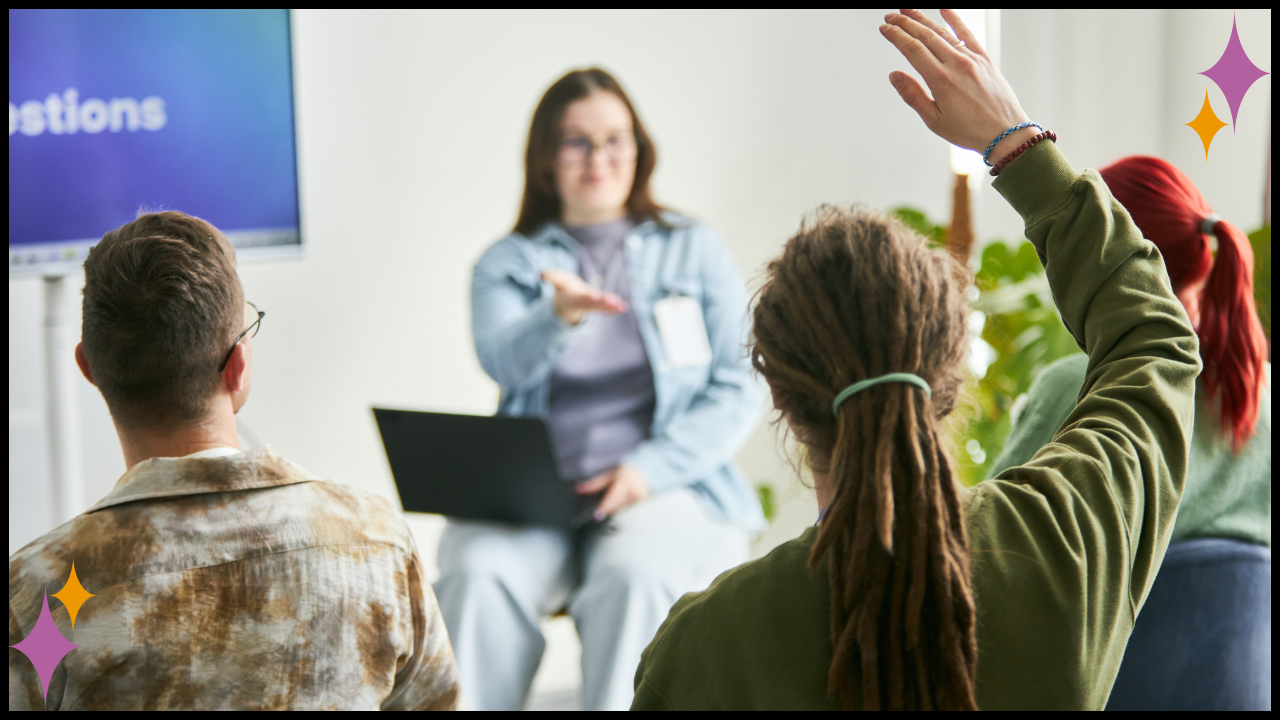
Somewhere in the middle of almost every BRAVE Method training I run, a hand goes up. By that point I've said the words vicarious resilience maybe fifteen times, and I can usually see it on someone's face before they say anything. Sometimes they're bold about it and say it outright: "I have a problem with the word resilience." More often they've been sitting with the dissonance for an hour, they don't want to offend the trainer, and they finally begin with, "I don't know how to ask this, but..."
I'm grateful every time, because that question means they're checking a new term against everything they've watched the old term do. They're right to check. The question underneath their question is usually some version of, are vicarious resilience and resilience even the same thing? And the answer is no. They're different in kind, not degree. Resilience, in research and in everyday use, describes something about how a person or a system adapts to adversity. Vicarious resilience describes a positive experience that can emerge through the therapeutic relationship when you witness someone heal. Once that difference lands, the discomfort with the word tends to loosen, and the practice becomes available.
Why Has Resilience Become Such a Loaded Word?
Resilience became a loaded word because praising people for surviving often replaces fixing what harmed them, turning their strength into a reason for inaction.
I want to be careful here, because the research is real. When I started grad school, one of the labs in our program was studying resilience as a relatively new construct, and for good reason. Researchers have never reduced resilience to a single fixed trait; the field describes it variously as a capacity, a process, a pattern of positive adaptation in the face of adversity, and understanding how that adaptation works helps us better support the people it eluded. Resilience names something we see every time a client comes through the unimaginable and keeps living.
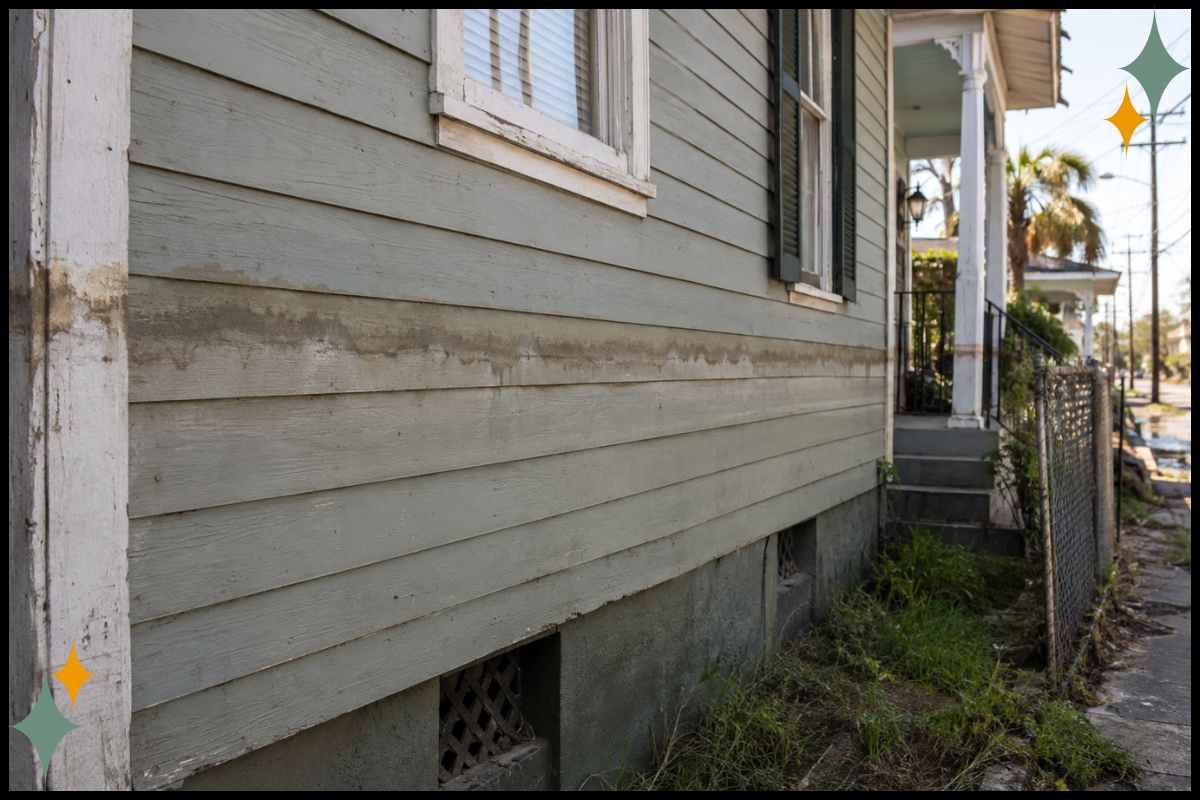
The trouble lives in how the word gets used out in the world, where all of that nuance gets flattened into a personal quality someone either has or lacks. After Hurricane Katrina, civil rights attorney Tracie Washington of the Louisiana Justice Institute pushed back on officials and media celebrating her community's resilience. Her point was that every time someone in power calls a community resilient, it means "you can do something else to me," and that she would rather fix the things that create the need for resilience in the first place. Declared from a position of power, resilience very often means no one has to do anything about what happened. The people handled it, look how strong they are. The water stays, the funding doesn't come, the policy doesn't change, and everyone gets to feel inspired.
If you're a trauma therapist, you've watched this happen to your clients. Someone tells them, "It's so amazing that you went to college after everything you went through," and on the surface it sounds like a compliment. Underneath it sits an assumption that someone from their family, their neighborhood, their group wasn't supposed to make it there. The praise exists only because of a lower expectation attached to the group.
We know this pattern from the inside, too, because self-care was weaponized against therapists and helping professionals the exact same way. An agency hands you a caseload no human being could carry, your body starts telling you the truth about that, and the answer that comes back is, "Have you been practicing self-care?" The structural problem gets returned to you as a personal deficit while the caseload doesn't move.
So when the word resilience makes someone in a training room tense up, what's tensing up is an accurate memory of how that word has been used. Their nervous system has the receipts. Underneath every version of this pattern sits the same principle: a person's ability to survive should never become evidence that the conditions that harmed them don't need to change. Resilience the concept has an important place in our understanding of how humans adapt. Resilience the label has been made into a weapon. Both are true at once, and holding them together makes room for the term I actually came to teach.
What Is Vicarious Resilience?
Vicarious resilience is the positive transformation therapists can experience through witnessing their clients' resilience, courage, and healing. Hernández, Gangsei, and Engstrom (2007) named it in Family Process after interviewing psychotherapists working with survivors of political violence and kidnapping.
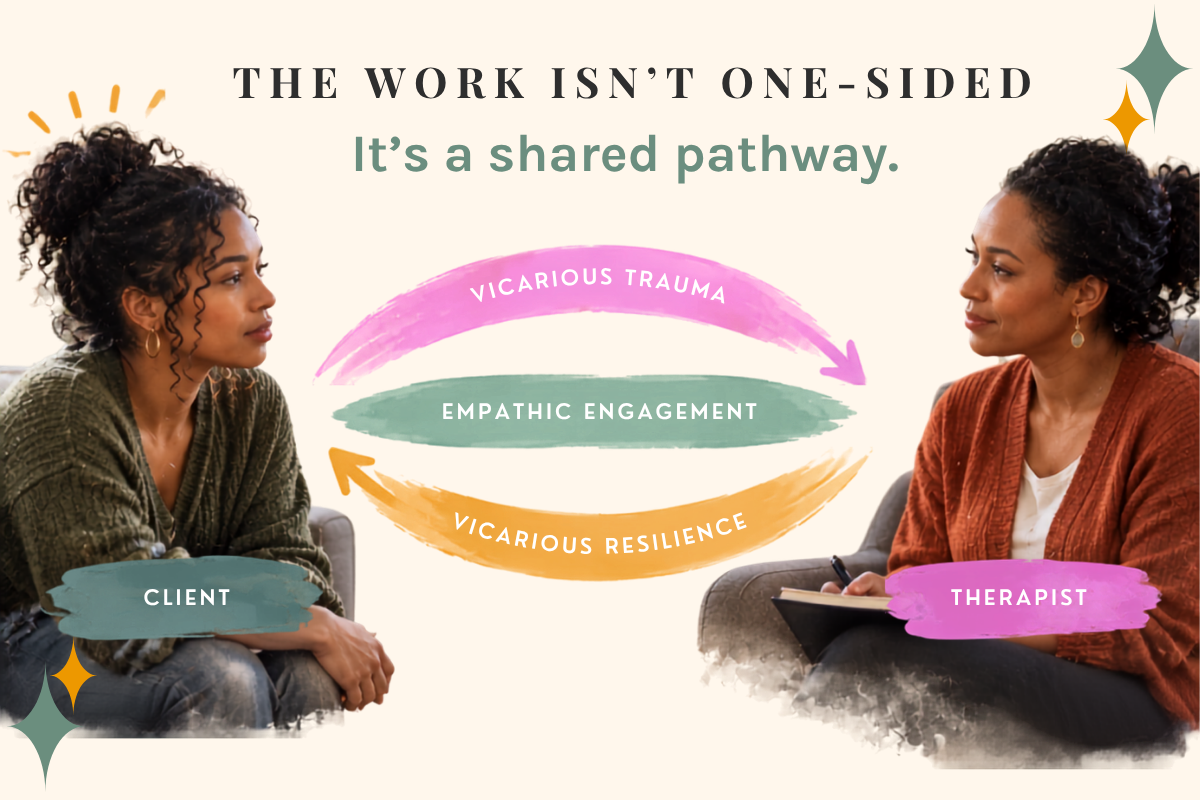
The term did not come out of a wellness retreat. In 2007, Pilar Hernández, David Gangsei, and David Engstrom interviewed twelve psychotherapists in Colombia working with survivors of political violence and kidnapping, some of the heaviest work in the field, and what they kept hearing, alongside everything the work cost those clinicians, was that witnessing clients survive and heal was changing them in positive ways. The therapists described hope, perspective, and a wider sense of what a person can come back from. Because these changes were arriving through empathic engagement, the same pathway that carries vicarious trauma, the researchers named the experience vicarious resilience. The full construct and the research since 2007 are in my complete guide to vicarious resilience.
The terminology is doing precise work. Calling it vicarious locates the effect in the work rather than in any trait or capacity of the therapist. Resilience, however researchers define it, describes something about the person or system doing the adapting, and the label, as our culture wields it, points at that person and says, look how strong they are. Vicarious resilience points at the space between two people and says, look what just happened there. Nobody gets praised for it, nobody gets let off the hook because of it, and it cannot be used to avoid fixing a system. It describes something that can happen through the relationship, and it often goes unnoticed until afterward.
What Does Vicarious Resilience Feel Like in Session?
I get to experience vicarious resilience often, and the moments that mean the most to me arrive at the most unexpected times. Very often, it's when a client and I are stuck. This happens a lot in trauma work, especially when depression is riding alongside PTSD, because there can be so much hopelessness in the room. The client is hopeless, and if I'm being a human in the room, some of that gets into me too. It starts to feel like we're both caught in the same negative loop, circling, with nothing landing, and I can feel myself reaching for something and coming up short.
Then, for whatever reason, the loop gets interrupted. It's rarely anything I planned. A sentence, a pause, the client saying something a slightly different way than they've ever said it before, and there's a tiny opening. When that opening shows up, my body knows before my head does. I feel lighter, there's an expansiveness in my chest, I'm in awe of the person in front of me, and my eyes often tear up. What makes it even more powerful is that the experience moves through the relationship. I receive it as the clinician, and it gets mirrored back to the client through attunement, so they feel their own breakthrough even more strongly. It travels back and forth between us instead of settling in me.
If you've never used the term, I'd bet you've still had the experience. It's probably been living in your language as "a good session," or feeling proud of a client, or being moved, or the thought, this is why I do this work. Those phrases were already naming it. Identifying vicarious resilience means noticing on purpose what you've been brushing past. Common signs include:
Expansiveness or warmth in the chest, the feeling many therapists shorthand as the warm fuzzies
Feeling proud of a client, or in awe of them
Tearing up in session at a moment of healing rather than a moment of pain
Shoulders dropping, breath deepening, or a wave of energy after a session you expected to drain you
Thoughts like "I can't believe she just did that" or "this is why I do this work"
You won't always catch it live. Sometimes you're so in it with a client that your own experience doesn't register until the drive home or the progress note. The free Vicarious Resilience Tracker exists for exactly that, somewhere to go back and look before those moments evaporate under the next four sessions.
How Do You Identify, Install, and Enhance Vicarious Resilience?
Identifying is the noticing itself, in the moment or after the fact. Installing is making it real: writing it down, or saying internally, this happened. Left unnamed, these moments get filed under "nice session" and buried. Two lines in the Tracker or one breath at the end of a session counts.
Enhancing is telling a colleague who gets it. Something happens when you say it out loud to someone who understands the weight of this work: the moment becomes more solid and more yours, and your colleague gets a window into healing they weren't in the room for, which can stir their own hope for the work. The experience ripples outward instead of ending with you. This is why I keep saying trauma therapists were never meant to do this work in isolation. Vicarious trauma tends to grow in isolation, and vicarious resilience tends to get stuck there; sharing it is how it grows. That exchange, the heavy stuff and the breakthrough stories carrying equal weight, is at the heart of what we practice inside The BRAVE Trauma Therapist Collective.
One boundary matters more than any practice I could teach. Vicarious resilience is never a substitute for reasonable caseloads, real supervision, organizational support, or systemic change, and noticing it must never become one more self-care assignment handed to an overloaded clinician. No amount of savoring what the work gives you will fix what a broken system takes. Individual clinicians deserve this practice, and organizations still owe their people working conditions that don't require it as a survival strategy. When leaders want to take that on structurally, that's the conversation The BRAVE Method exists for.
So let's return to the person with the raised hand, the one who heard resilience and felt the ickiness. She was right about the word. And vicarious resilience was never about her being strong, or about you being strong. It's what can happen to you when you witness someone heal. Being human in this work is what leaves you open to the weight of what your clients carry, and it's the same openness that makes vicarious resilience possible. It's how we stay in the work we love.