There’s a particular kind of exhaustion I notice almost immediately when I walk into struggling trauma teams. It’s not simple tiredness, or even burnout exactly, but the feeling of people working very hard to appear fine around each other while carrying far more than anyone is saying out loud.
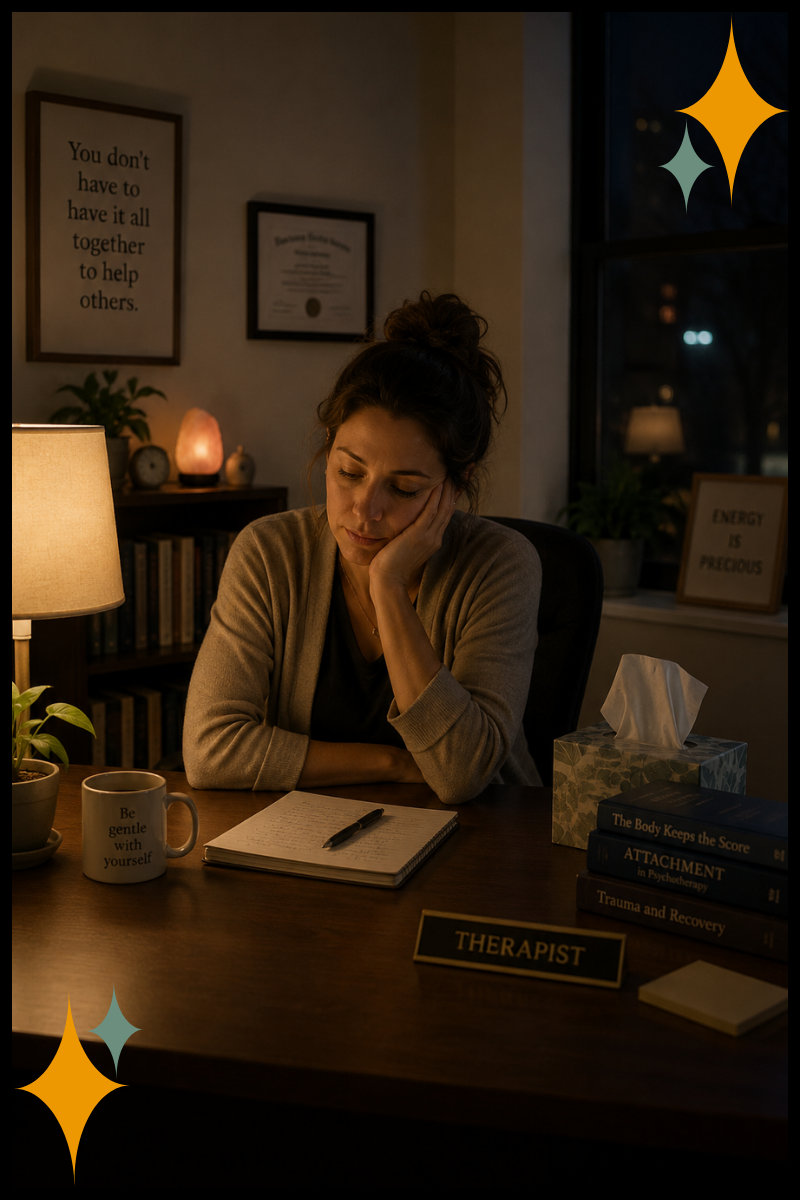
The meetings still function on the surface. Cases get discussed, documentation gets completed, and everyone keeps moving through the day as expected. But underneath that professionalism, something feels tight. People stop asking for help. Conversations become careful. The real reactions happen afterward instead of inside the room, and over time that kind of emotional isolation becomes its own form of strain.
After years of consulting with trauma-focused teams across private practices, nonprofits, hospitals, and agencies, I’ve noticed something important: the work itself is rarely the only thing burning people out. More often, it is the absence of structures that help people metabolize the work together. The teams that last are not always the ones with the lightest caseloads or the most resources, but the ones where people feel safe enough to be human while doing hard things together.
The Teams That Last Don’t Require Constant Performance
One of the clearest signs a trauma team is struggling is that honesty quietly begins to disappear.
People become incredibly skilled at functioning while overwhelmed, continuing to show up, hold space, and perform steadiness even when they are carrying far more than they can realistically sustain. They stop asking questions because they do not want to appear incompetent, avoid acknowledging tension because they fear making things harder, and keep pushing through until eventually someone shuts down, lashes out, or leaves entirely.
I once worked with a team where conflict avoidance had become woven into the culture itself. No one addressed problems directly because everyone believed they were protecting the team dynamic, but in reality the silence was slowly eroding trust.
Tiny frustrations accumulated over months, side conversations replaced direct communication, and resentment became part of the emotional atmosphere people walked into every day.
What struck me most was that the clinicians leaving were not leaving because they had stopped caring about clients. They were leaving because carrying unspoken tension day after day had become unbearable. Psychological safety is not about making teams comfortable all the time; it is about creating an environment where honesty is survivable, even when the conversations are difficult
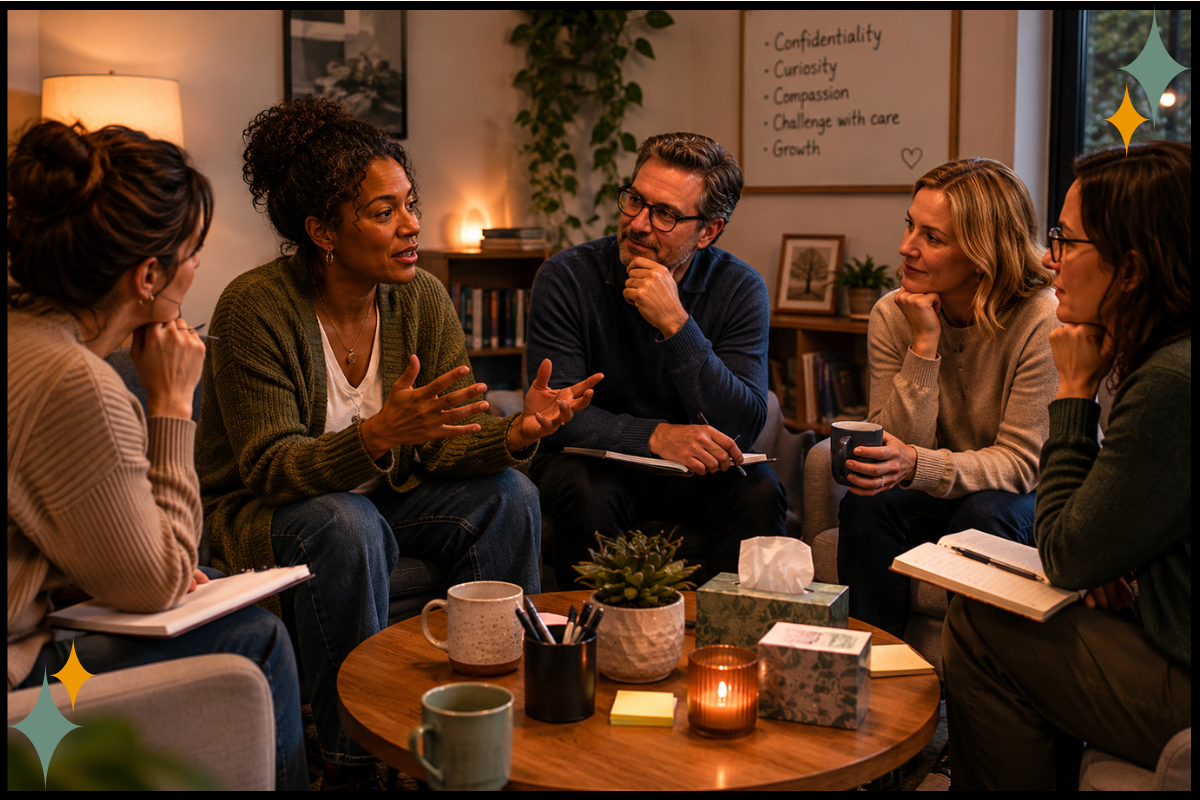
The healthiest trauma teams build small but consistent practices around this:
regular space for difficult conversations
leadership willing to model accountability
clear feedback structures
permission to acknowledge when someone is struggling
Because when people spend all day regulating others, they cannot also spend all day pretending they themselves are unaffected.
Debriefing Is Not an Extra Task
One of the fastest ways emotional exhaustion accumulates inside trauma teams is when processing becomes optional.
In many workplaces, debriefing only happens if there’s enough time left over after everything else. Which usually means it doesn’t happen at all. So clinicians move from session to session carrying unresolved emotional residue from the entire day, and that weight doesn’t disappear just because no one names it.
It shows up later:
shorter patience
emotional numbness
disconnection between colleagues
increased irritability
withdrawing socially at work
compassion fatigue that starts feeling personal instead of cumulative

I worked with one team whose entire culture revolved around “pushing through.” On paper, they looked highly functional, but behind the scenes, people were exhausted.
When leadership finally implemented consistent debriefing structures, the shift wasn’t dramatic overnight. In fact, at first it felt awkward. People weren’t used to speaking openly about what the work was doing to them emotionally.
But over time, something changed. Therapists stopped feeling so alone inside difficult cases, not because the work became lighter, but because the weight stopped being carried individually.
The strongest teams normalize processing before a crisis forces it.
Sometimes that looks like formal debriefing systems, sometimes it’s a standing 10-minute check-in after high-intensity days, and sometimes it’s walking consultations between colleagues.
The format matters less than the consistency.
Play Is Not Frivolous in Trauma Work
One of the most misunderstood parts of sustainable trauma work is the role of play. When teams become overwhelmed, play is usually the first thing to disappear because it can seem unnecessary compared to everything else demanding attention.
But chronic seriousness changes people over time. It narrows emotional range, reinforces hypervigilance, and slowly turns every interaction into another form of task management.
The teams that sustain themselves long term almost always protect some form of shared levity, not forced positivity, performative morale, or manufactured “wellness culture,” but genuine moments of relational ease.

I once worked with a team that ended Friday meetings with a three-minute stretch break set to someone’s favorite 90s song. That was the entire intervention. No complicated initiative, no expensive training, just a small ritual reminding people they existed together as humans, not only as clinicians absorbing trauma exposure all week.
Over time, subtle things started shifting. People stopped dreading meetings quite as much. There was more warmth between colleagues, more flexibility during stressful moments, and more emotional recovery after difficult weeks.
Play matters because nervous systems need contrast.
Trauma work exposes clinicians to pain, vigilance, grief, fear, and urgency day after day, while shared laughter, movement, creativity, or absurdity helps widen the emotional field again. It restores a sense of elasticity that chronic strain slowly tries to take away.
Leadership Shapes the Emotional Climate More Than Policies Do
I’ve worked with teams full of highly skilled therapists operating inside emotionally reactive leadership structures, and I’ve also worked with teams where leadership consistently modeled steadiness, clarity, and regulation. The difference between those environments is usually immediate and deeply felt, because trauma teams do not only respond to policies or expectations; they respond to the emotional tone set around them every day.
One leader I worked alongside had a habit of pausing before responding during stressful conversations. It was not performative or overly polished, just a visible moment of grounding instead of escalating emotionally in the room.
Over time, something interesting happened: the team started doing the same thing with each other. People became slower to react, more thoughtful during tension, and more capable of staying connected while difficult conversations unfolded.
That’s how culture actually spreads inside trauma teams, not primarily through mission statements or organizational language, but through nervous systems interacting with other nervous systems. People pay close attention to how stress gets handled, how mistakes are responded to, whether vulnerability is punished or supported, and whether overwhelm can be spoken aloud without consequences.
Those repeated moments shape the emotional culture of a team far more than most organizations realize.

Even small leadership behaviors shape the emotional climate:
slowing conversations down instead of escalating them
naming tension directly
checking capacity before adding demands
acknowledging emotional labor instead of pretending it doesn’t exist
And importantly: leadership is not only positional. Any clinician can influence culture by changing how they show up relationally with colleagues.
Small shifts matter more than people realize.
Sustainable Trauma Work Has Always Been Collective
The strongest trauma teams are not the ones that avoid stress, conflict, or exhaustion altogether. They are the teams that refuse to let people disappear inside those experiences alone, understanding that the goal is not perfection or endless resilience, but consistent relational support around difficult work.

That is the real difference. Not having the “right” wellness strategy, nor creating environments where nobody struggles, but building cultures where honesty, regulation, debriefing, and connection are intentionally woven into the structure of the team itself. Because trauma clinicians were never meant to carry this kind of emotional weight in isolation, even if many workplaces unintentionally ask them to.
When those supports are present, something important starts to happen. People stay, not because the work suddenly becomes easy, but because it becomes possible to keep doing things together.
Building this with your team
If you want to build these conditions into your team, whether that's an agency, a group practice, or your consultation circle, this is the work we do inside The BRAVE Trauma Therapist Collective. BRAVE supports individual trauma therapists, and it supports teams that want to build this foundation together, through consultation, education, and a community that genuinely understands the weight of this work.
Want something you can use this week? Download the free Vicarious Resilience Tracker, a guided tool to help you and your team notice and name the moments that give something back, instead of only tracking what the work takes. Use it on your own or as a team reflection. Either way, it's a small, concrete way to start seeing the proof of what this work returns to you.