Prolonged Exposure Therapy Explained: Safety, Readiness, and Common Misconceptions
What Is Prolonged Exposure Therapy?
Prolonged Exposure Therapy (often called PE) is one of the most researched trauma treatments available, and also one of the most misunderstood.
For many people, the misunderstanding starts before they ever learn what the therapy actually involves. The word exposure alone can bring up images of being pushed, overwhelmed, or forced to relive something before you’re ready.
And this post isn’t here to convince you that Prolonged Exposure Therapy is right for everyone. Instead, it’s meant to slow the conversation down and offer a grounded, trauma‑informed explanation of what PE is, why it exists, and how to think about fit and readiness without turning it into a test of strength.
When the Name “Exposure” Gets in the Way
Prolonged Exposure Therapy often gets misunderstood because of how the word exposure is interpreted.
Exposure is frequently translated as endurance—being pushed through pain or forced to tolerate distress without choice. From that lens, PE can sound harsh, outdated, or even unsafe.

But that interpretation misses what exposure is actually designed to do in trauma treatment.
Prolonged Exposure isn’t about proving you can survive pain. It’s about helping the nervous system learn something new about safety, control, and the present moment.
And in PE, trauma isn’t resolved through logic alone. The nervous system changes through experience, especially repeated experiences of staying present without danger. In this context, exposure is about learning, not endurance.
Why Prolonged Exposure Therapy Exists
After trauma, fear responses don’t simply fade with time.
The nervous system learns to associate certain memories, sensations, places, or situations with danger, even when the threat is no longer present.
Avoidance makes sense in this context. It reduces distress and helps people function in the short term.
Clinically, though, avoidance has a cost.

When feared experiences are never approached following a trauma, the nervous system never has the opportunity to learn that the danger has passed.
Fear then stays frozen in time, continuing to shape behavior, choices, and relationships long after the trauma is over.
Prolonged Exposure Therapy was developed to interrupt that loop.
By approaching feared memories and situations in a structured, repeated, and supported way, the nervous system can begin to update.
Not through reassurance or insight, but through lived experience.
The learning isn’t “this never hurts.” The learning is, “this hurts, and I can stay present, grounded, and safe while it passes.”
What Prolonged Exposure Looks Like in Real Therapy
Prolonged Exposure is a structured therapy, and that structure plays an important role in maintaining safety.
Sessions are planned collaboratively between the therapist and the client. Goals are discussed openly and throughout the work. The pacing of each session is intentional and never forced.
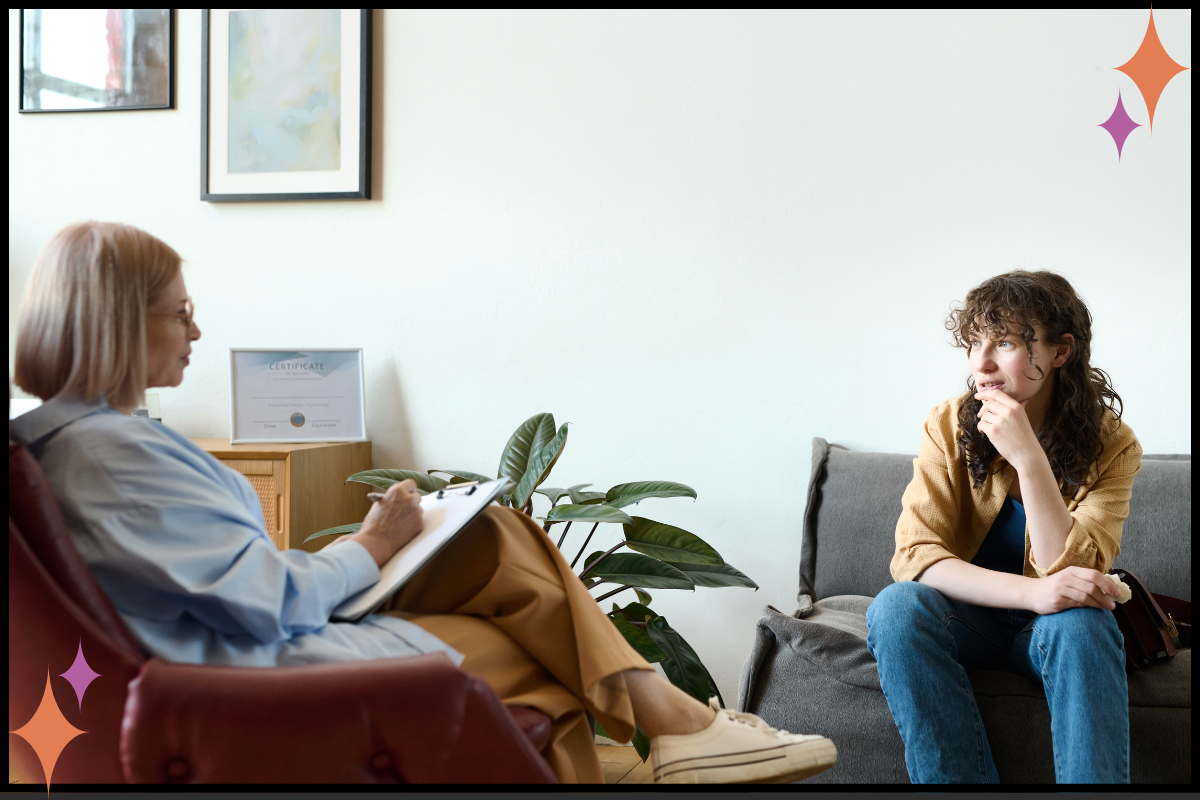
In practice, Prolonged Exposure usually involves two areas of work.
One is approaching trauma memories in a contained way. The therapist helps the client stay oriented to the present rather than becoming overwhelmed by the past.
The other is gradually approaching real‑life situations that have been avoided since the trauma, even when the person knows logically that they’re safe now.
And PE doesn’t start with the hardest part of the memory or experience. Instead, PE takes a gradual approach to exposure to help build tolerance and confidence over time.
The therapist’s role then is not to push or override the client’s nervous system. It’s to track regulation, notice shifts, and help the client stay connected to the present moment while doing difficult work.
Common Fears and Misconceptions About Prolonged Exposure Therapy
There are a few concerns about Prolonged Exposure that come up again and again. Some are voiced out loud while others people hold quietly and never ask.

“Exposure means being retraumatized or flooded.”
When practiced well, Prolonged Exposure is not about overwhelming the nervous system. It’s about titration, meaning exposure is paced, planned, and collaborative. If someone becomes overwhelmed or dissociates, that’s a signal to slow down or adjust, not a marker of success.
“Exposure means I’ll be forced to do things I’m not ready for.”
PE is not something done to someone. Consent is ongoing. Pacing is negotiated. Information about not feeling ready is clinically meaningful and shapes the work. So no, you will never be forced to do something you’re not ready to do when working with a skilled PE therapist.
“If I start Prolonged Exposure, I’ll fall apart outside of session.”
This fear often comes from the reality that avoidance has been doing an important job. Prolonged Exposure isn’t about removing that protection all at once. It’s about gradually building confidence that distress can rise and fall without taking over everything so that you don’t fall apart outside of session.
“If exposure feels hard, I must be doing it wrong.”
Difficulty does not automatically mean failure and exposure is not easy. Learning happens at the edge of what’s familiar and, when it comes to trauma work, approaching the edge of healing isn’t going to be easy. Again, that’s where the power of a skilled PE therapist comes in.
Fit, Readiness, and Timing
Prolonged Exposure Therapy can be highly effective, but readiness isn’t about being brave enough or strong enough.
It’s not a moral category.
Readiness has more to do with support, stability, and capacity.

Some people benefit from doing Prolonged Exposure early in treatment, especially when trauma symptoms are clearly organizing life around avoidance. Others benefit from focusing first on regulation, resourcing, or building safety in the therapeutic relationship.
Neither path is better. Neither path is a failure.
What matters is whether someone can stay present with distress without becoming overwhelmed or shutting down. We also have to think about the support people have between sessions - lack of support makes recovery between sessions really difficult.
Readiness can also change over time. Someone may not be ready now and become ready later. Or they may start PE and realize they need to slow down or pause. That doesn’t mean something went wrong. It means the nervous system is giving feedback.
A Therapist Lens on Prolonged Exposure
For therapists, Prolonged Exposure brings its own edge.
This work asks clinicians to tolerate discomfort without rushing to soothe or avoid. It requires trust in the process while staying closely attuned to the client’s nervous system.
It also requires support.

Doing exposure work without consultation or community can increase therapist anxiety and avoidance, even when the model itself is sound. Prolonged Exposure isn’t about following a protocol perfectly. It’s about holding steady, staying regulated, and knowing when to slow down.
Staying Human in Trauma Work
At its core, Prolonged Exposure Therapy isn’t about forcing people to face their trauma.
It’s about helping the nervous system learn that the present is different from the past.

Avoidance makes sense. Fear makes sense. Needing support makes sense.
And, healing happens when those responses are met with structure, safety, and relationship. Because no model replaces attunement and protocols don’t replace presence. No matter the approach, trauma therapy requires a regulated human in the room.
A Gentle Next Step
If you’re wondering whether Prolonged Exposure Therapy might be a fit, the next step is usually a conversation, not a commitment.
And if you’re a trauma therapist feeling the weight of doing this work, you don’t have to carry it alone.
Inside The BRAVE Trauma Therapist Collective, we focus on sustainability, pacing, and what it means to stay human in trauma work. Because you’re allowed to take your time, you’re allowed to ask questions, and you’re allowed to stay human while doing this work.
If you’re a trauma therapist looking for support, community, and a place where your humanity is welcome, learn more about The BRAVE Trauma Therapist Collective here.
And if you’re someone impacted by trauma and wondering whether Prolonged Exposure Therapy might be a good fit, reach out so we can help you connect with a skilled trauma therapist in The BRAVE Trauma Therapist Collective.