12 Green Flags Your Consultation Group Is Actually Safe
I sat in a consultation group once and spent the whole time filtering. Nodding at the right moments. Asking a question I already knew the answer to because it sounded like a smart question to ask. When it was over, I got in my car and felt heavier than when I'd walked in. Not because the content was hard. Because the space was hard. And I didn't have language for why.
If that sounds familiar, this post is for you. I want to walk you through 12 green flags that tell you a consultation space is actually safe. Not safe on paper. Not safe in the group description. Safe in a way your nervous system can feel.
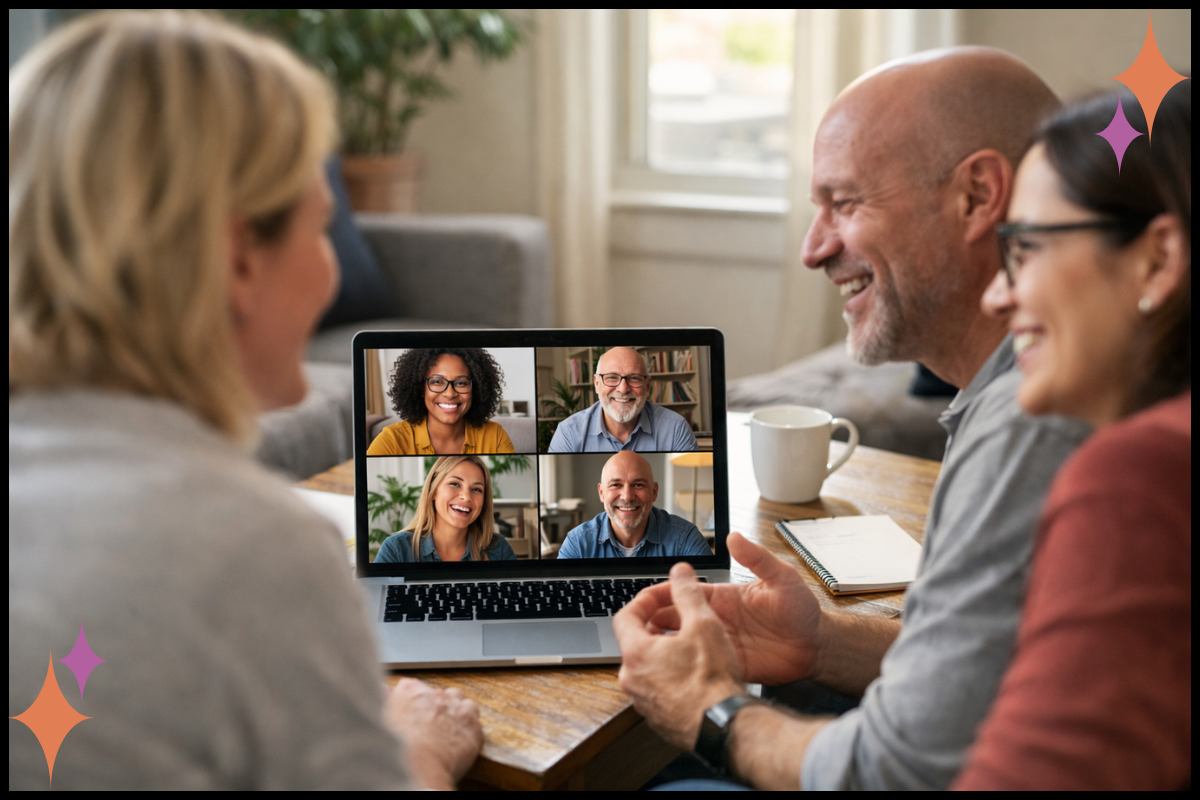
And I'm organizing them into four clusters: the culture of the space, how the hard stuff gets held, how you're allowed to show up, and what you walk away with.
Why Don't We Have Language for Safe Consultation?
Therapists are trained to assess safety for clients but rarely given tools to evaluate the spaces they depend on for their own professional support.
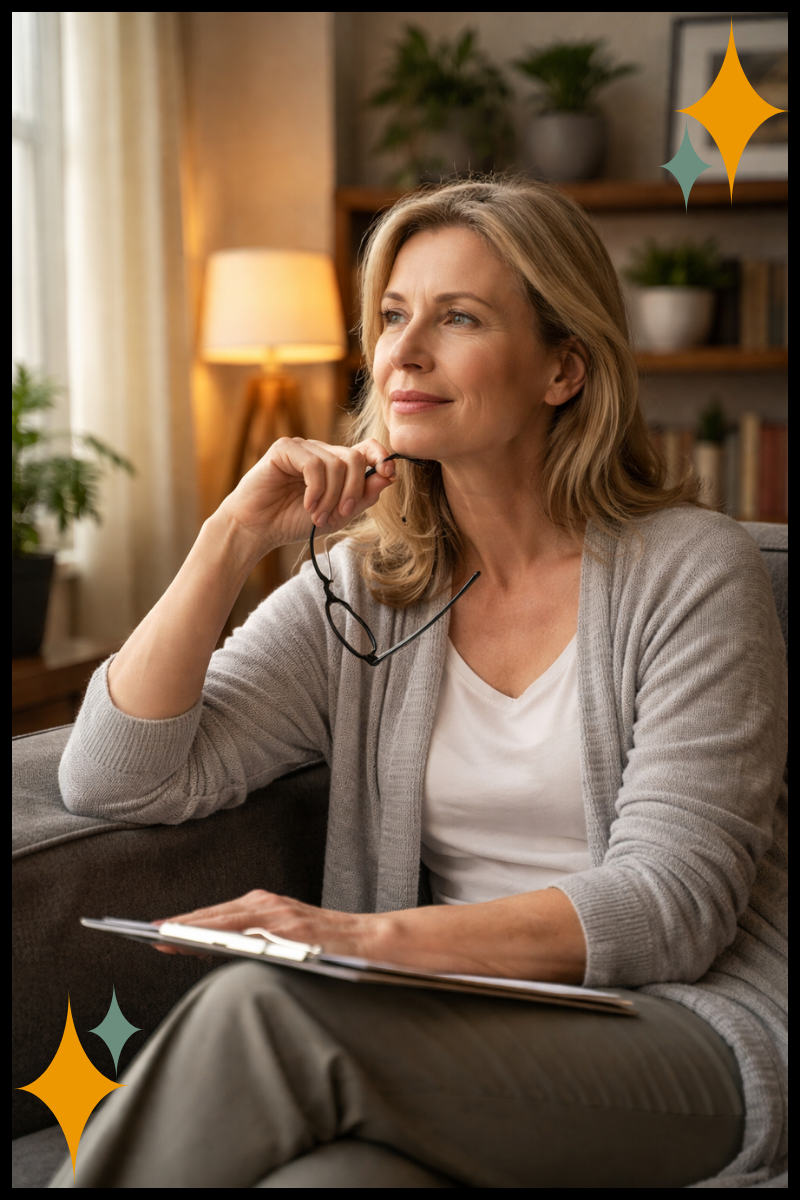
We know how to look at a client's environment and ask, "Is this actually supporting them?" We do it reflexively. But turning that same lens on our own consultation spaces? That almost never happens. Part of it is that we don't have a clear framework. We know when something feels wrong, when our chest tightens or we feel smaller leaving than when we arrived. Naming what's right requires a different kind of attention. These 12 green flags are meant to give you that language.
What Does the Culture of a Safe Consultation Space Look Like?
A safe consultation culture is one where vulnerability, collaboration, shared confidentiality, and distributed support are the norm, not just the aspiration.
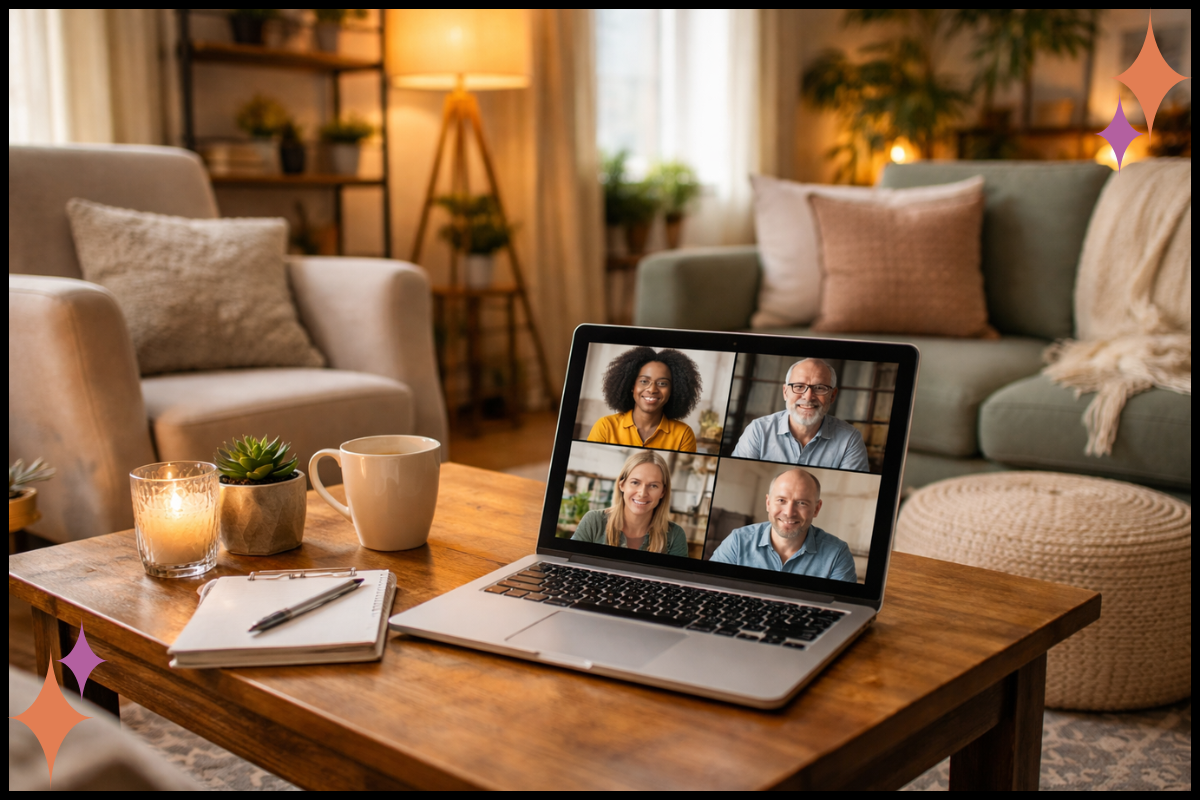
The first four green flags are about what it actually feels like when you show up. Not the brochure version. The lived experience.
1. Vulnerability is modeled by the leader.

If the person running the group only ever shows up as the expert, always composed, always in the teaching seat, never sharing their own struggles, that sets a ceiling for everyone in the room. When the facilitator is willing to say, "I had a hard week too," it tells the group: you don't have to have it figured out to belong here. Vulnerability from the leader isn't a weakness in the structure. It's what makes the structure trustworthy.
2. There's no performance of expertise.

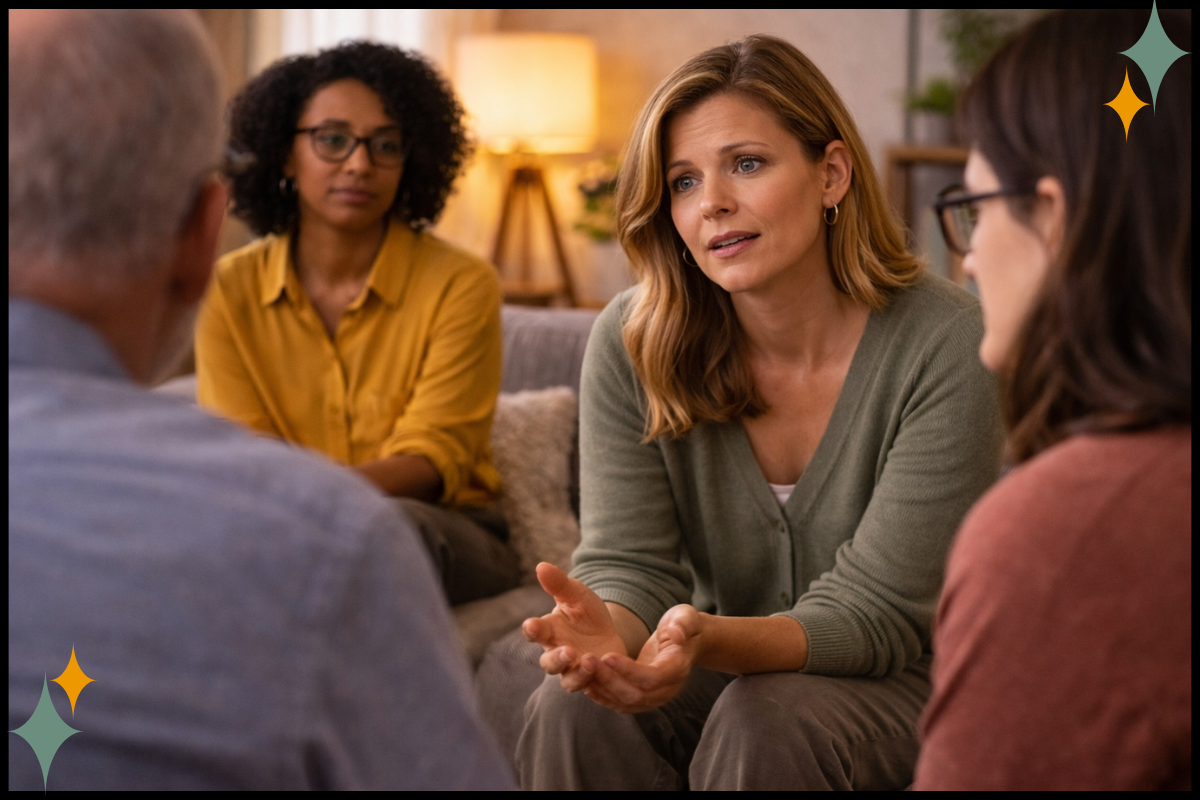
You bring a case, and instead of getting support, you get a room full of people one-upping each other with interventions. Someone drops an obscure research citation. Someone else subtly lets you know they would've handled it differently. And the space that was supposed to be about support has turned into a credentialing exercise. A green flag is when that energy is just absent. People are genuinely curious. They're asking questions to understand, not to prove what they know.
3. Confidentiality feels real, not just stated.
Almost every group reads a confidentiality disclaimer at the beginning. That's baseline. What I'm talking about is the felt sense that what you share in this room stays in this room. When that trust is embedded in the culture, people bring real things. They don't sanitize their stories or leave out the parts they're ashamed of. If you find yourself editing what you bring because you're not sure it's actually safe to say it, that's information worth paying attention to.
4. Support comes from the whole group, not just the facilitator.
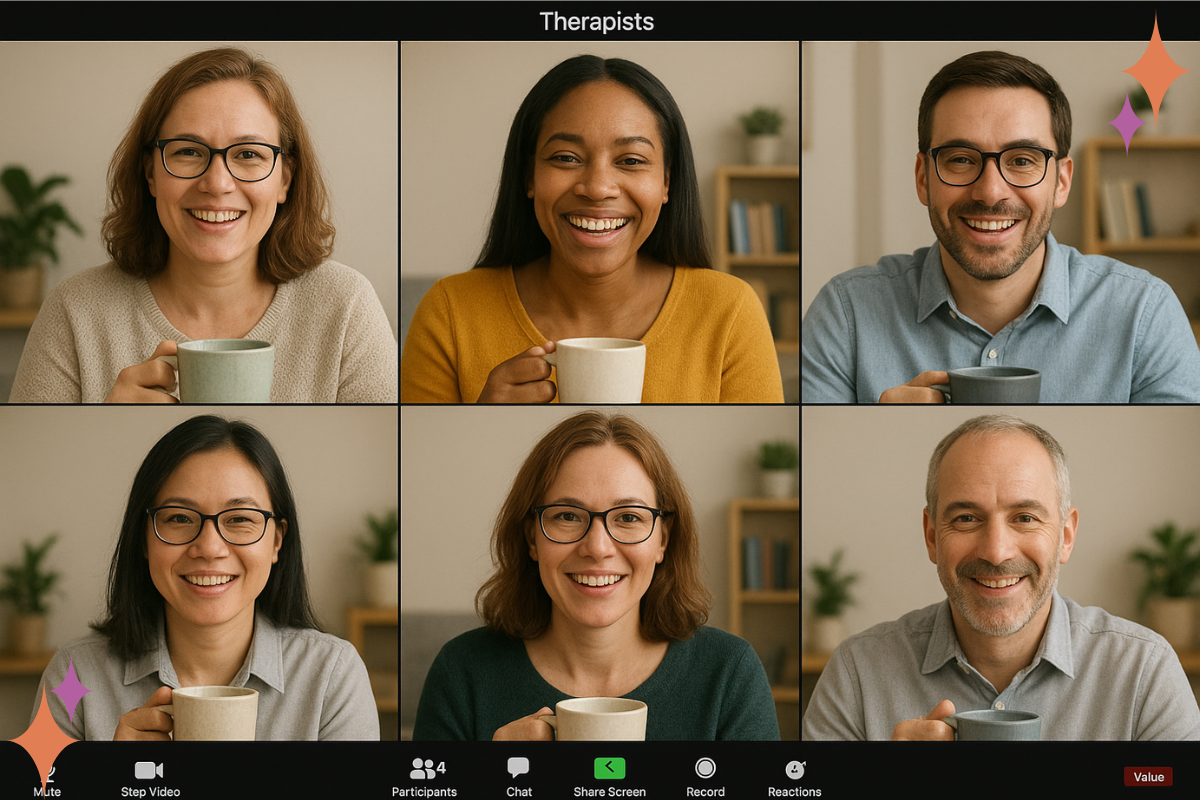
In a lot of consultation spaces, the dynamic is one person at the front and everyone else looking to that person for answers. It's a Q&A dressed up as consultation. A green flag is when the whole group is active, with members offering perspectives, sharing their own experiences, and holding space alongside the leader. The wisdom is distributed, not centralized. And some of the most powerful moments come from a peer saying, "I've been exactly where you are."
How Should a Safe Consultation Space Hold the Hard Stuff?
A safe consultation space meets the impact of trauma work with recognition and presence, not pathologizing, fixing, or redirecting.
Culture is the foundation. But the real test is what happens when someone brings something heavy into the room.
5. Vicarious trauma is normalized, not pathologized.

When a therapist says, "This case is following me home," or "I feel numb after sessions," how does the room respond? In a safe space, it's met with recognition: that makes sense. In an unsafe space, it gets treated like a clinical problem. Someone suggests you talk to your own therapist, as if naming the occupational impact of trauma work means you've crossed a line you shouldn't have. Normalizing vicarious trauma doesn't mean ignoring it. It means holding it as what it is: a normal response to deeply empathic work with people who have been hurt. When a consultation space can do that, everything opens up.
6. The group holds complexity without rushing to fix.

Therapists are trained to solve. We hear a problem and our brains start generating interventions. But sometimes what someone brings to consultation doesn't need a solution. It needs space. A green flag is when the group can tolerate that, when someone can bring something painful or unresolved and the room doesn't scramble to make it better. There's a steadiness to how people sit with hard things. They let the person be in it and stay in it alongside them. For someone who spends their professional life holding space for others, being the one who is finally held is a profound experience.
7. Your humanity is treated as a clinical strength, not a liability.

A lot of therapists have been taught, explicitly or implicitly, that being emotionally affected by the work is a problem. That if a client's story stays with you, that's countertransference to manage. That crying in session or feeling rage about what happened to someone means you're too close. What that training teaches is that your humanity, the very thing that allows you to connect and build trust in the therapeutic relationship, is something to be suspicious of. A safe consultation space flips that entirely. It says: your emotional responsiveness is part of what makes you effective. Being affected doesn't make you weak. It makes you human.
What Should You Be Allowed to Bring to Consultation?
In a safe consultation space, you can bring the messy, unfinished, uncertain parts of your experience without fear of losing credibility or belonging.
These three green flags are about what's actually welcome in the room. Not just your polished clinical thinking, but the real version of where you are on a given day.
8. You don't have to have your case perfectly prepared.
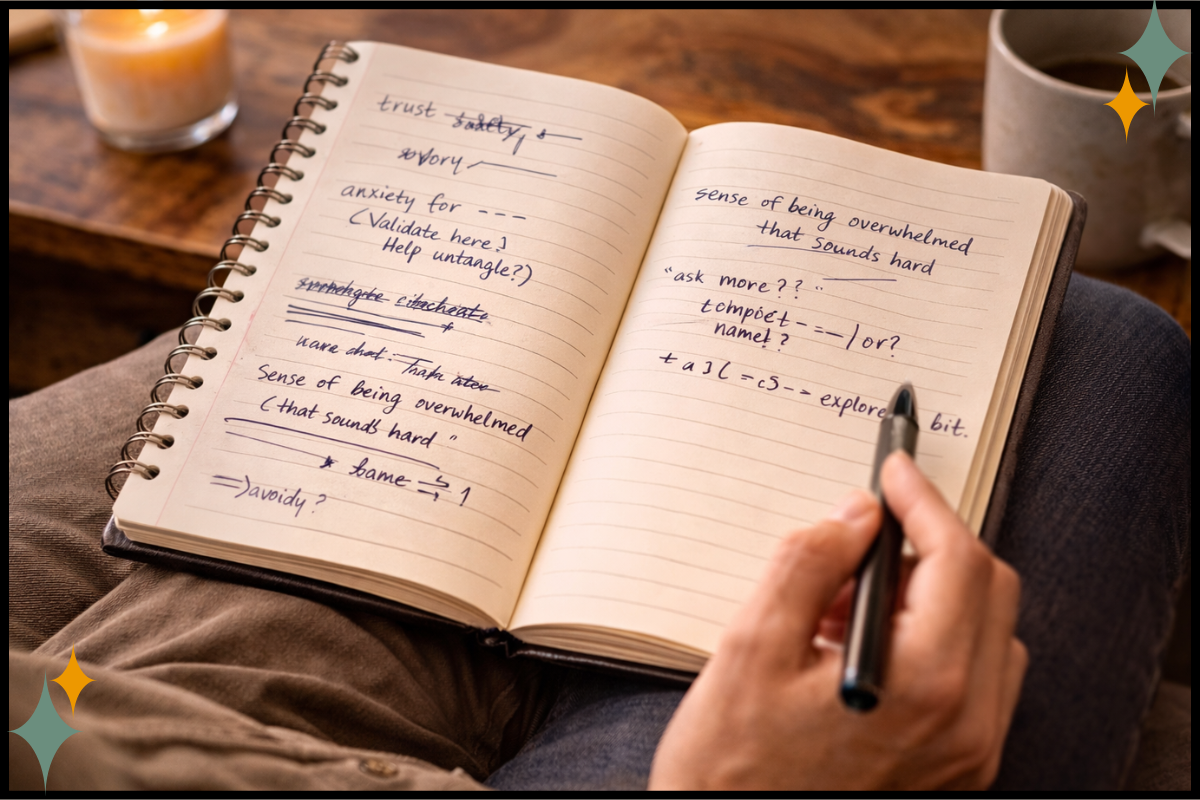
I've talked to so many therapists who don't bring things to consultation because they feel like they need to have their thoughts organized first. A clear question. A competent-sounding presentation. And that pressure keeps people from bringing the stuff they most need help with, the things that sound like, "I don't even know what I'm asking, but something about this case is getting to me." A safe consultation space welcomes that. You can show up mid-process, mid-confusion, mid-doubt, and the group meets you there.
9. You can say "I don't know" without losing credibility.
This sounds simple, but it's radical in professional spaces. Most of us have been in environments where not knowing feels dangerous, where admitting uncertainty gets met with a look, or a correction, or that subtle shift where you can feel people recalibrating their opinion of you. In a safe space, "I don't know" is treated as honesty. It might even be welcomed, because it means you're being real instead of performing confidence. When a whole group can hold uncertainty without flinching, actual learning becomes possible. Not the performative kind. The real kind.
10. Disagreement doesn't feel dangerous.
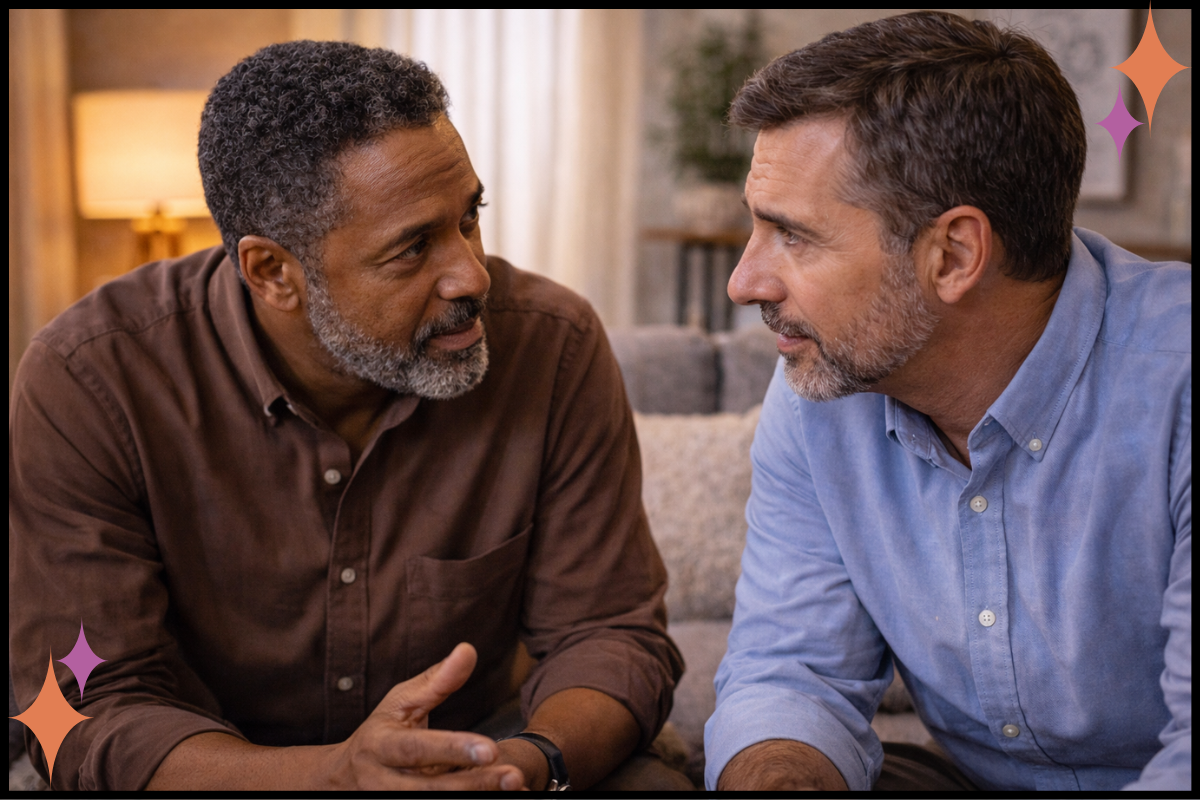
People in consultation are going to see things differently. That's part of the value. But in some spaces, disagreement carries risk. It becomes hierarchical, or personal, or tense. A green flag is when people can hold different perspectives without it threatening anyone's sense of belonging. When someone says, "I actually see that differently," and the response is curiosity, not defensiveness. When everyone in the room always agrees, that's not alignment. That's a group where people don't feel safe enough to push back.
How Do You Know If Your Consultation Group Is Working?
The litmus test is simple: you should consistently leave consultation feeling less alone and more seen, not more guarded or more depleted.
Everything else builds to these last two.
11. There's space for the therapist, not just the case.

Most consultation is structured around the clinical question. What intervention should I try? How do I conceptualize this? Those matter. But behind every case presentation is a person carrying that case, a person whose nervous system is activated, who might be doubting their competence, who might be quietly wondering how much longer they can keep doing this work. A safe consultation space checks in on the clinician, not just the client. It doesn't treat the therapist like a delivery mechanism for interventions. It asks, "How are you in all of this?"
12. You leave feeling less alone, not more alone.
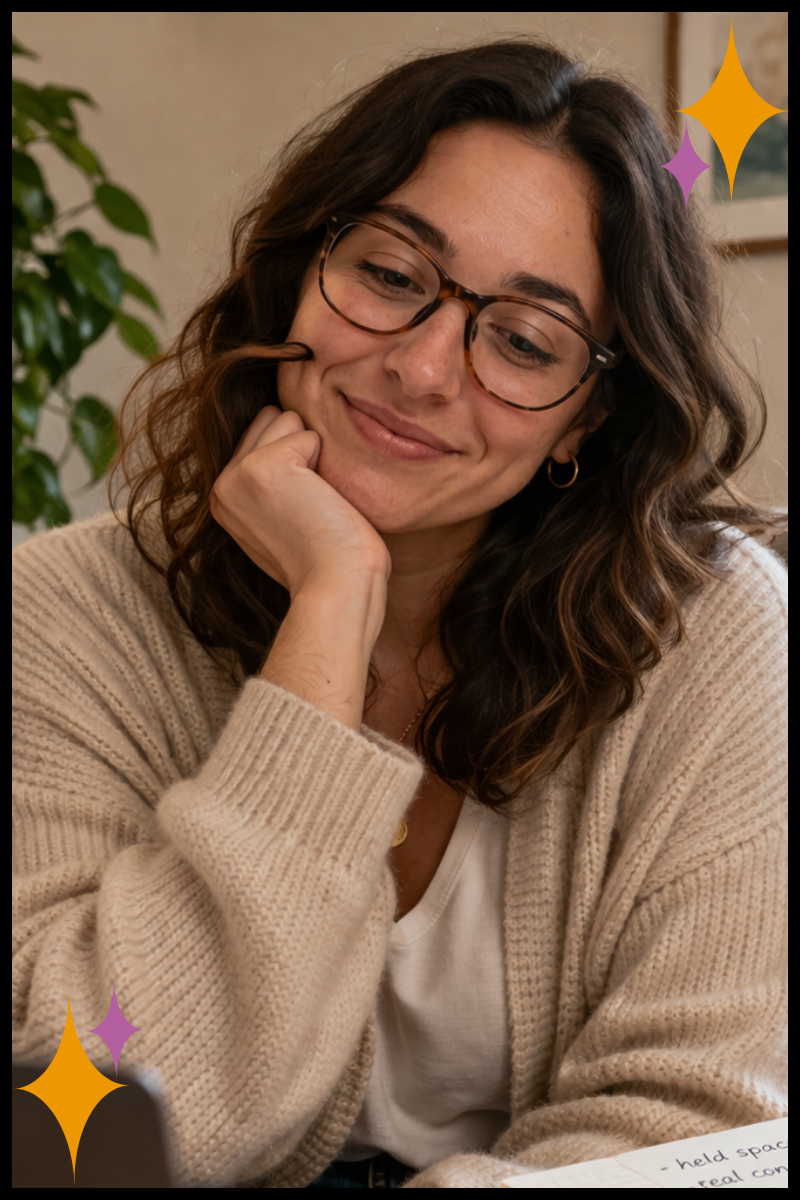
This is the fundamental test. Think about the last time you left consultation. Did you feel lighter? More grounded? Like someone actually saw you? Or did you feel more guarded, more depleted, more alone than when you showed up? If it's the second, that's information. It doesn't mean you're too sensitive or too needy. It means the space isn't doing what it's supposed to do. Consultation exists to make the weight of this work more bearable. And if you consistently leave feeling less alone, if your nervous system is a little more settled and what you were carrying feels a little less heavy, that is a green flag worth protecting.
What If Your Consultation Space Doesn't Have Most of These?
That's more common than you'd think. A lot of trauma therapists are in consultation spaces that check some of these boxes but not most. Some are in spaces that don't check any. And some aren't in a consultation space at all because they haven't found one that felt worth the risk.

Knowing what to look for changes things. Once you have the language, you stop settling. You stop telling yourself, "This is just how consultation is." You start trusting that the thing you were sensing, that something was off, that something was missing, was real. And you start looking for something better. Or building it.
Trauma therapists were never meant to do this work in isolation. The spaces where you go for support should be spaces where you get to be fully human. Not just clinical. Not just competent. Human.
Want to track how vicarious trauma is showing up for you right now? Grab the free Vicarious Trauma Tracker. It's a good companion to the kind of honest self-assessment this article invites.
Want to keep going? I made a video version of this post that goes deeper into each green flag: 12 Green Flags Your Consultation Group Is Actually Safe on YouTube.
Looking for a consultation space where all 12 of these are real? That's what we built The BRAVE Trauma Therapist Collective to be. A community where trauma therapists come together as humans first, with peer consultation, 24/7 asynchronous support, and a culture designed around every green flag on this list. It's $12/month, and you don't have to be at your breaking point to deserve this kind of support.