
Why "Just Take Time Off" Doesn't Work for Trauma Therapists
You've taken the PTO. You've gone somewhere without cell service. And you came back just as tired as before. That's not a failure of rest. It's a mismatch between the advice and the kind of exhaustion you're actually carrying.

12 Green Flags Your Consultation Group Is Actually Safe
There's a massive difference between a consultation space that checks a box and one that actually makes you feel safe enough to bring the hard stuff. Here are 12 green flags to look for.
15 Examples of Vicarious Resilience in Therapy You Can Start Noticing This Week
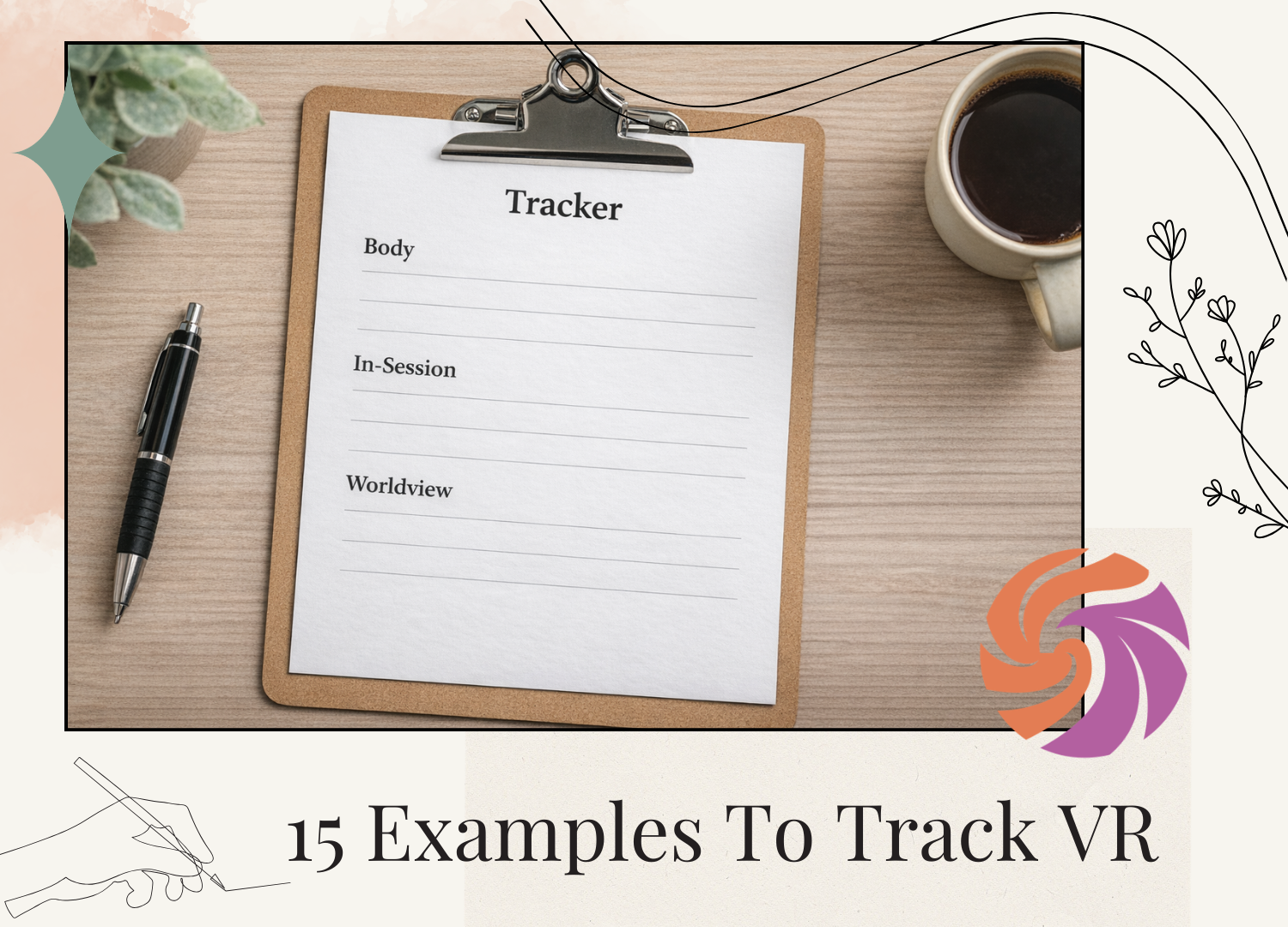
Trauma therapists are trained to track what is hard. But alongside pain, rupture, and dysregulation, we are also witnessing courage, repair, and change. This post explores 15 examples of vicarious resilience and how noticing them can help you stay connected to the part of trauma work that renews you.

7 Questions Trauma Therapists Can Ask to Track Vicarious Resilience
Trauma therapists are surrounded by resilience, but our brains are trained to track threat. This post clarifies what vicarious resilience is and offers 7 grounded questions you can use after session to notice, name, and install what’s protective, so the courage and repair you witness doesn’t disappear by the time you close a session and go back to your personal life.

What Is Somatic Experiencing? A Nervous System Approach to Trauma Healing
Somatic Experiencing (SE) is a nervous system–centered approach to trauma therapy. This post goes beyond the definition to explore what SE asks of trauma therapists: pacing, regulation, consultation, and the real nervous system load of doing somatic work week after week.

Accelerated Resolution Therapy (ART): what it is, where it came from, and how to know if it fits
Accelerated Resolution Therapy (ART) is a structured trauma therapy that uses guided eye movements and imagery-based protocols to help distressing memories stop triggering the nervous system like the threat is happening now. This post covers where ART came from, what sessions can look like, common misconceptions, readiness (including dissociation), and what to ask in an ART consult.

Internal Family Systems (IFS) Therapy: How Parts Work Helps You Understand Your Reactions
Internal Family Systems (IFS) therapy helps you work with the different “parts” of you shaped by protection, survival, and trauma. In this guide, I explain what parts are, what Self-energy and blending mean, what IFS can look like in a real session, and the misconceptions that keep people stuck.

Prolonged Exposure Therapy Explained: Safety, Readiness, and Common Misconceptions
Prolonged Exposure Therapy is one of the most researched trauma treatments—and one of the most misunderstood. This post breaks down what PE actually is, common fears, and how to think about readiness, safety, and fit without pressure.
What is Cognitive Processing Therapy? Working With the Stories Trauma Leaves Behind
Cognitive Processing Therapy (CPT) is an evidence-based trauma therapy that works with the beliefs and meanings trauma leaves behind. Rather than trying to erase what happened, CPT helps people gently examine trauma-shaped conclusions about safety, trust, blame, and worth, without shame or forced positivity.

What is Brainspotting? A Trauma Therapist’s Guide to How It Works and When It Helps
Brainspotting is a trauma therapy that works with the brain and nervous system, not just thoughts or insight. In this post, I break down what Brainspotting actually looks like in session, how it works, and when it’s often a helpful option, especially when understanding the trauma hasn’t led to the change you expected.

What is EMDR?
What is EMDR, and how does it actually help with trauma and PTSD? This guide explains EMDR in clear, human language, including why insight alone doesn’t always shift trauma responses, how EMDR works with the brain and body, and what to consider if you’re wondering whether it might be a good fit.

Which Trauma Treatment Should I Get Trained In?
Which trauma therapy training should you get? If you’ve felt pressure to choose the “right” model or hesitated to even ask this question: you’re not alone. This grounded guide helps trauma therapists think beyond rankings and acronyms to understand fit, sustainability, and why the therapeutic relationship matters across all trauma approaches.

How to Choose Your Word of the Year After Ditching New Year’s Resolutions
Therapy doesn’t exist outside of politics or social realities and neutrality isn’t neutral. As trauma therapists, we’re constantly navigating the messy middle between hiding behind a blank slate and risking imposing our own beliefs. In this blog, I share how we can practice the affirming anchor, a stance that honors our clients’ humanity without co-signing harm, and offer practical skills you can use in your very next session.

Preparing for Your Word of the Year (Without New Year’s Resolutions)
End-of-year reflection has a way of turning into self-judgment for trauma therapists, especially when it’s capped off with a New Year’s resolution that assumes unlimited capacity. This post breaks down why resolutions don’t work and offers a more flexible alternative: preparing for a Word of the Year without pressure or promises you can’t keep.

5 Gifts Every Trauma Therapist Deserves This Holiday Season
The holidays can bring gratitude, grief, and exhaustion all at once, especially for trauma therapists. Instead of resolutions or self-care tips, I’m sharing five heartfelt wishes for you this season: rest without guilt, support without apology, and work that gives something back. Because being human as a trauma therapist isn’t the problem, it’s the point